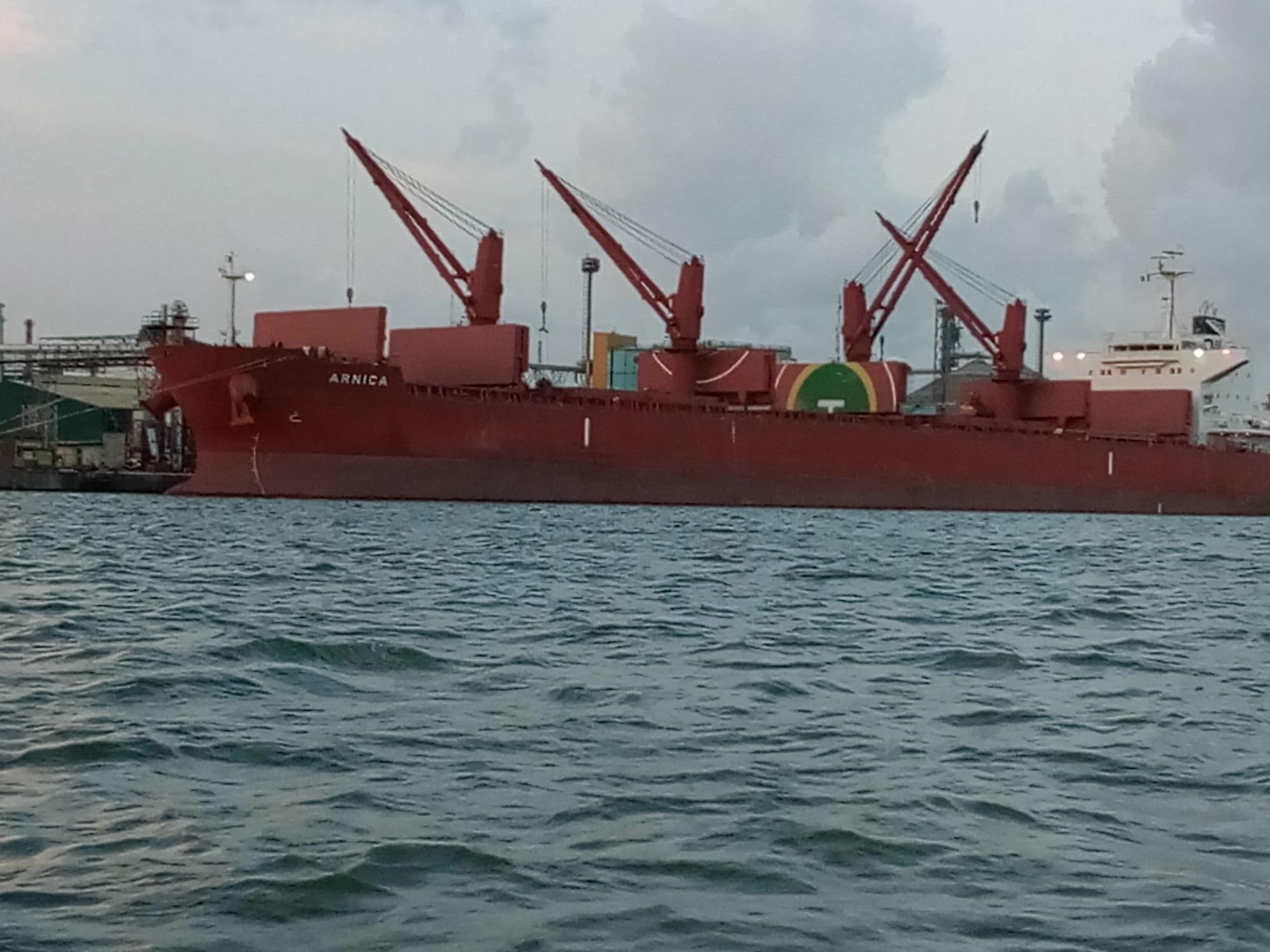
Apapa should not become another luxury waterfront. Its role as Nigeria’s great maritime gateway must stay at the centre. The opportunity is to plan the neighbourhood around the value of trade, rather than leave it to absorb the consequences.
01Why Apapa needs a new model
The Nigerian Ports Authority describes the Lagos Port Complex as the country’s oldest and largest port, established in 1913 with rail, road and water connections and concessioned to private terminal operators in 2006. The city around it has not kept pace with modern port logistics.
- 01
Unmanaged truck traffic
The NPA has reported an access road designed for about 2,400 trucks a day carrying more than 7,000.
- 02
Ageing port infrastructure
Quay structures and operational facilities need major rehabilitation and modernisation.
- 03
Industry against home life
Heavy vehicles, noise, emissions, security restrictions and roadside activity weigh on residents.
- 04
An underused waterfront
Drainage, waste, public access and ecological buffers are not yet planned as one system.
Congestion is a multi agency problem that no single institution can solve; the Lagos Chamber of Commerce and Industry has proposed a port corridor coordination mechanism for exactly that reason.
02Six interconnected districts
Apapa 2036 · functional districts
- 1Port operations and maritime servicesThe strategic economic core
- Modernised terminals and quays
- Customs, security and shipping services
- Marine engineering support
- Digital port operations
Never compromise port operations or security with incompatible public uses.
- 2Logistics, freight and distribution cityProductivity and investment
- Grade A warehouses and bonded logistics
- Inland container depots and truck terminals
- Cold chain and online retail fulfilment
- Driver welfare, clinics and rest areas
Streets are not truck parks: arrivals scheduled digitally and held off road.
- 3Industrial innovation and maritime enterpriseAdding value, not just moving it
- Ship repair and fabrication
- Packaging, food and pharmaceutical logistics
- Light manufacturing and assembly
- Maritime training and research
- 4Mixed use commercial quarterRegeneration on non operational land
- Maritime and logistics business centres
- Offices, hotels and serviced apartments
- Retail, restaurants and conference space
- Trade finance and professional services
- 5Residential and community regenerationA place to live, not only to pass through
- Rehabilitated neighbourhoods and mixed income homes
- Affordable rental housing
- Schools, clinics and markets
- Parks and playgrounds
Avoid displacement; where relocation is unavoidable, compensate and restore livelihoods.
- 6Waterfront, recreation and resilienceFrom industrial back edge to asset
- Selective public promenades
- Floodable parks and green coastal buffers
- Shoreline protection and drainage
- Water transport terminals
Public access only where navigation, security and safety allow.
03Connectivity
| Network | Intervention | Outcome |
|---|---|---|
| Port access roads | Dedicated freight corridors and controlled entry points | Less conflict with local traffic |
| Urban streets | Complete streets, junctions and pedestrian facilities | Better neighbourhood access |
| Rail | Stronger port and freight rail interfaces | Suitable cargo moved from road to rail |
| Waterways | Passenger ferries and freight barges | Alternatives to the road |
| Truck circulation | Off site staging, pre gates and scheduled entry | No roadside queues |
| Digital | Integrated freight and mobility management | Predictability and accountability |
| Walking and cycling | Safe local routes away from freight corridors | Everyday liveability |
04Start from the plan that already exists
Lagos State already has an Apapa Model City Plan for 2012 to 2032, with a land use plan approved in April 2015. It sets out industrial, commercial, mixed use, residential, institutional and recreational uses, with rail, BRT, ferry, cycling and promenade networks, truck parks, jetties, revetments and flood gates.
Rather than a new masterplan, the first step is a formal review of that plan against today’s land use, port operations, logistics demand, climate risk and investment opportunities: what has been delivered, what is obsolete, which industrial land must be protected and where mixed use and public access can work.
Port and city must move together. A £746 million loan guaranteed by UK Export Finance, signed in March 2026, backs the reconstruction of the Apapa and Tin Can Island ports: quay walls, deeper channels and modern cargo handling. Port works are not a substitute for urban regeneration; they need separate but coordinated plans and delivery.
05International models
HafenCity, Hamburg
Waterfront regeneration, adaptive reuse and flood adaptive urban design.
Kop van Zuid, Rotterdam
Former port land turned into commercial, cultural and residential assets with maritime identity intact.
Jurong, Singapore
Industrial clustering, logistics productivity and planned utilities.
Nordhavn, Copenhagen
Phased transformation of port land with sustainable mobility.
06Infrastructure first, property second
- 012027–2028
Diagnostics and enabling works
Know the place before redeveloping it.
- Land use, cadastral and building survey
- Port traffic, drainage and flood assessment
- Review of the Model City Plan
- Road repairs and digital truck scheduling
- 022028–2030
Logistics and industrial transformation
Get trucks off the streets and value into the district.
- Logistics parks and truck terminals
- Rail and barge integration
- Utility corridors
- Wastewater and storm water
- 032030–2033
Regeneration and mixed use
Bring life back to non operational land.
- Commercial and hospitality projects
- Residential regeneration
- Community facilities
- Waterfront where conditions allow
- 042033–2036
A smart port and logistics neighbourhood
Manage the district as one system.
- Integrated digital management
- Maritime technology cluster
- Expanded green infrastructure
- Continuous performance monitoring
07Investment packages
| Package | Likely partners | Possible structure |
|---|---|---|
| Logistics parks and warehouses | Logistics firms, developers, institutional investors | PPP, DBFOM or long lease |
| Truck terminals and holding parks | Freight and terminal operators | Operating concession |
| Commercial and maritime business district | Developers, pension backed funds | Joint venture or land lease |
| Industrial and marine engineering cluster | Industrial operators, engineering firms | Joint venture or concession |
| Residential regeneration | Housing developers, mortgage institutions | Development partnership |
| Drainage and climate resilience | Government, infrastructure funds, DFIs | Public infrastructure PPP |
| Digital freight systems | Technology and logistics platforms | Technology concession |
| Waterfront public realm | Hospitality operators, developers, government | Mixed public private development |
The financial model should protect public assets and avoid relying on land sales or speculative appreciation. Delivery would need a joint Federal and Lagos State steering committee and a dedicated Apapa delivery office, a proposed mechanism subject to legal review, publishing one dashboard on land, approvals, investment and community safeguards.
08How success would be measured
| Area | Indicator |
|---|---|
| Port productivity | Vessel turnaround and cargo dwell time |
| Freight | Truck turnaround and port access travel time |
| Logistics | Share of trucks using scheduled off road holding |
| Intermodal | Share of suitable cargo moved by rail and barge |
| Investment | Private capital committed and deployed |
| Industry | New businesses, output and jobs |
| Urban quality | Road, drainage, water and sanitation coverage |
| Environment | Air and water quality, waste compliance |
| Housing | Quality, affordability and security of tenure |
| Resilience | Flood exposure and shoreline protection |