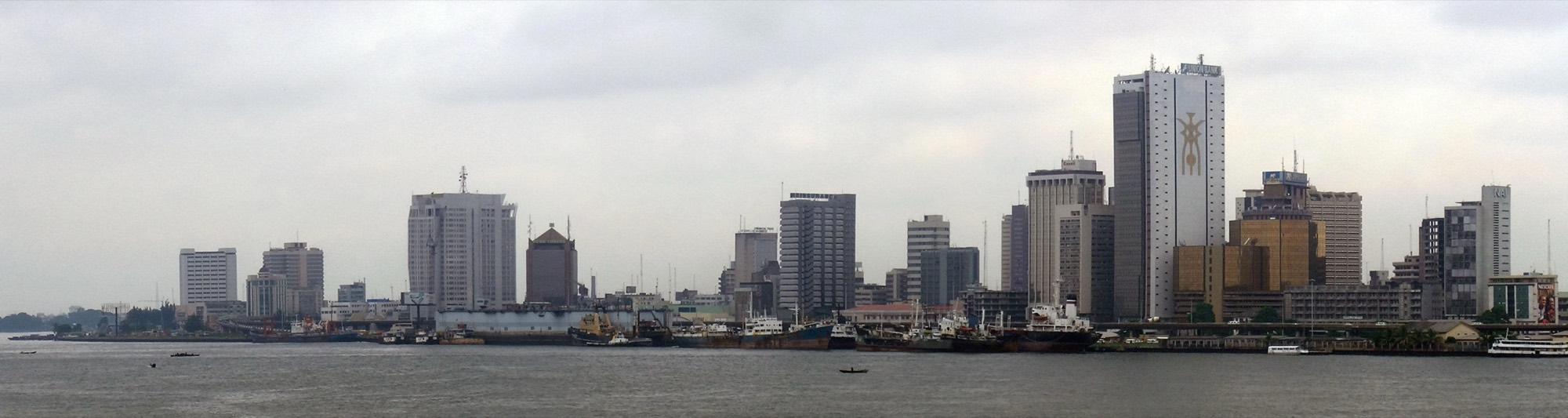
Lagos Island was Nigeria’s first commercial capital. The ambition is to make it a modern African business district again: connected, productive, walkable, climate resilient and ready for investment, without becoming an imitation of somewhere else.
01What Lagos can learn from New York
We draw on two complementary New York models. Battery Park City shows how a planned waterfront neighbourhood can be built and cared for. Lower Manhattan shows how a global business district is kept clean, safe and competitive.
- The waterfront model
Battery Park City
A 92 acre planned development with 36 acres of parks and open space, mixed residential and commercial uses, and a public benefit corporation, created in 1968, that plans, builds and maintains it.
- The business district model
Lower Manhattan
Finance, headquarters, professional services, retail and tourism, with ferry and transit access, and the Downtown Alliance, a Business Improvement District since 1995 that adds sanitation, security, streetscape and promotion.
Combine public control of strategic planning and infrastructure with professionally managed neighbourhood services and private investment.
02Building on the Model City Plan
This is not a competing masterplan. Lagos State commissioned Dar Al-Handasah to prepare the Lagos Island Model City Plan, presented in March 2024 after some 36 months of planning and stakeholder engagement. It covers regeneration, flood mitigation, transport, heritage, housing, commerce and the restoration of traditional neighbourhoods, and its authors stressed preventing gentrification.
Stakeholders were still urging stronger implementation in late 2026. The priority now is delivery: packaging projects, engaging landowners and mobilising investment.
03Six connected districts
Lagos Island 2040 · regeneration districts
- 1Marina financial and corporate districtThe financial and institutional heart
- Banking, insurance and capital markets
- Corporate headquarters and premium offices
- Fintech, legal and professional services
- Business hotels
Audit existing towers, reuse what can be reused, and raise the street, power and fibre to an international standard.
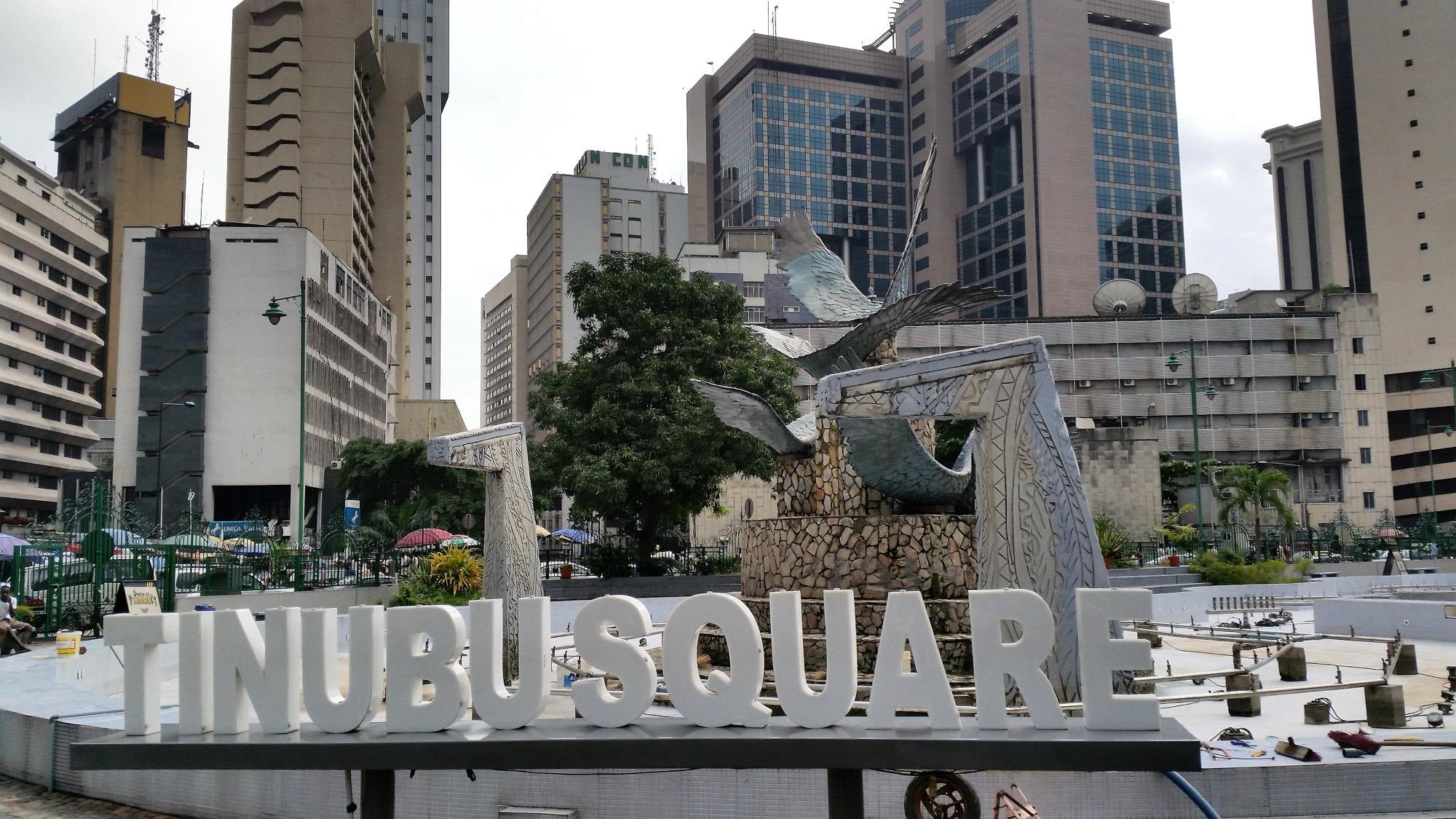
- 2Broad Street and Tinubu Square heritage quarterHistoric commerce, adapted
- Creative and professional offices
- Heritage hotels, galleries and food
- A heritage and architecture trail
- Adaptive reuse of historic buildings
Historic buildings should become productive assets, not monuments without a purpose.
- 3Idumota and Balogun enterprise districtModernising the trading economy
- Organised wholesale and retail centres
- Storage, consolidation and delivery hubs
- Loading bays, fire safety and access
- Affordable units for existing traders
Raise the productivity and safety of trade without removing the traders.
- 4CMS and the waterfront gatewayWhere the Battery Park idea applies
- Public waterfront where feasible
- Modern ferry terminals
- Promenades, plazas and event spaces
- Restaurants, hotels and serviced apartments
Make the lagoon part of daily movement, not a scenic backdrop.
- 5Onikan and Tafawa Balewa Square precinctCulture and civic life
- Heritage and maritime museums
- Performance and exhibition spaces
- Conference facilities
- Public gardens and civic plazas
- 6Residential and community regenerationHomes upgraded, not displaced
- Rehabilitated buildings and mixed income homes
- Affordable rental housing
- Health centres, schools and markets
- Water, sanitation and drainage
04Infrastructure first, then density
- 01
Walkable streets
Continuous, shaded footpaths, street trees, crossings, seating, lighting and organised street trading.
- 02
Flood and drainage
Upgraded drains, sustainable drainage, retention landscapes and protection at the lagoon edge.
- 03
Multimodal mobility
Buses, ferries, rail links, walking, cycling and managed deliveries working together.
- 04
District utilities
Shared power, distributed energy, water, wastewater and fibre in coordinated utility corridors.
- 05
Environmental management
Waste collection and recycling, air quality monitoring, public toilets and digital maintenance reporting.
05Public space has to be managed, not just built
Battery Park City’s strength is the long term care of its public spaces. Lagos Island should start with five priority projects, each with a maintenance and programming plan from day one, not just a capital budget.
| Project | Intervention |
|---|---|
| Marina Civic Plaza | A high quality square and gathering space for the business district |
| Tinubu Heritage Square | Heritage restoration, pedestrian improvements and cultural programming |
| Broad Street Streetscape | Pedestrian priority, organised trading and better building frontages |
| CMS Waterfront Promenade | Public waterfront, ferry integration and recreation |
| Onikan Cultural Green | A landscaped civic and cultural gathering space |
06A Lagos Island Business Improvement District
The most immediately actionable lesson from Lower Manhattan is a Business Improvement District: an independently managed organisation that adds to, but never replaces, statutory services, subject to the right Lagos State legal arrangements.
- Supplementary cleaning and public space maintenance
- Security coordination, parking and loading management
- Organising street vending and trading
- District branding, events and investment promotion
- Business research and digital service reporting
Its board should include property owners, tenants, financial institutions, traders, residents, heritage representatives and government observers, with a funding formula that protects small traders and low income residents.
07Land: the hardest practical challenge
The Island is not an empty site. Family land, long leases, tenants, informal businesses and heritage assets all overlap. Redevelopment should begin with willing landowners, public assets and underused buildings, never with compulsory clearance.
- 01
Voluntary land pooling
Neighbouring parcels combined for redevelopment while existing rights are recognised.
- 02
Joint development agreements
Owners contribute land; investors finance and build.
- 03
Long term ground leases
Public or participating ownership is kept while private capital invests.
- 04
Development rights
Where the law allows, capacity is reorganised around heritage and infrastructure.
08Start with a demonstration district
Instead of waiting for the whole Island, a first phase around Marina, Broad Street, Tinubu Square and CMS can show what a contemporary Lagos Island business district looks and feels like.
| Months | Priority action | Deliverable |
|---|---|---|
| 1 to 3 | Land, building, business and infrastructure audit | GIS regeneration atlas |
| 1 to 3 | Property owner and business engagement | Participation framework |
| 2 to 4 | Street, drainage and traffic diagnostics | Infrastructure intervention plan |
| 3 to 6 | Quick wins | Streetscape, lighting and sanitation pilot |
| 4 to 8 | Select first redevelopment properties | Investor ready portfolio |
| 6 to 9 | Set up the BID | District management structure |
| 6 to 12 | Prepare bankable infrastructure projects | PPP and investment prospectus |
| 9 to 12 | Launch first commercial and public space projects | Demonstration district |
- 012027–2028
Establish the foundations
Planning controls, district governance, cadastral and infrastructure audits, priority drainage and streetscape works, first investment packages.
- 022029–2031
Build the contemporary CBD
First commercial and mixed use projects, modern trading facilities, better interchanges and public spaces.
- 032032–2034
Waterfront and cultural transformation
Priority waterfront sections, ferry facilities, heritage destinations, hospitality and civic space.
- 042035–2036
Complete the integrated district
Wider residential regeneration, district utilities and smart urban services.
These are proposed programme milestones for discussion, not approved government schedules. Delivery would sit with a proposed Lagos Island Regeneration Delivery Company, subject to legal and institutional review.