Lagos Blue Line: forty years to the first train
What does the Blue Line teach about the gap between engineering and delivery?
The first 13 km of the Blue Line opened in September 2023, four decades after Lagos first inaugurated a metro. The engineering is sound. The delivery history is the lesson.
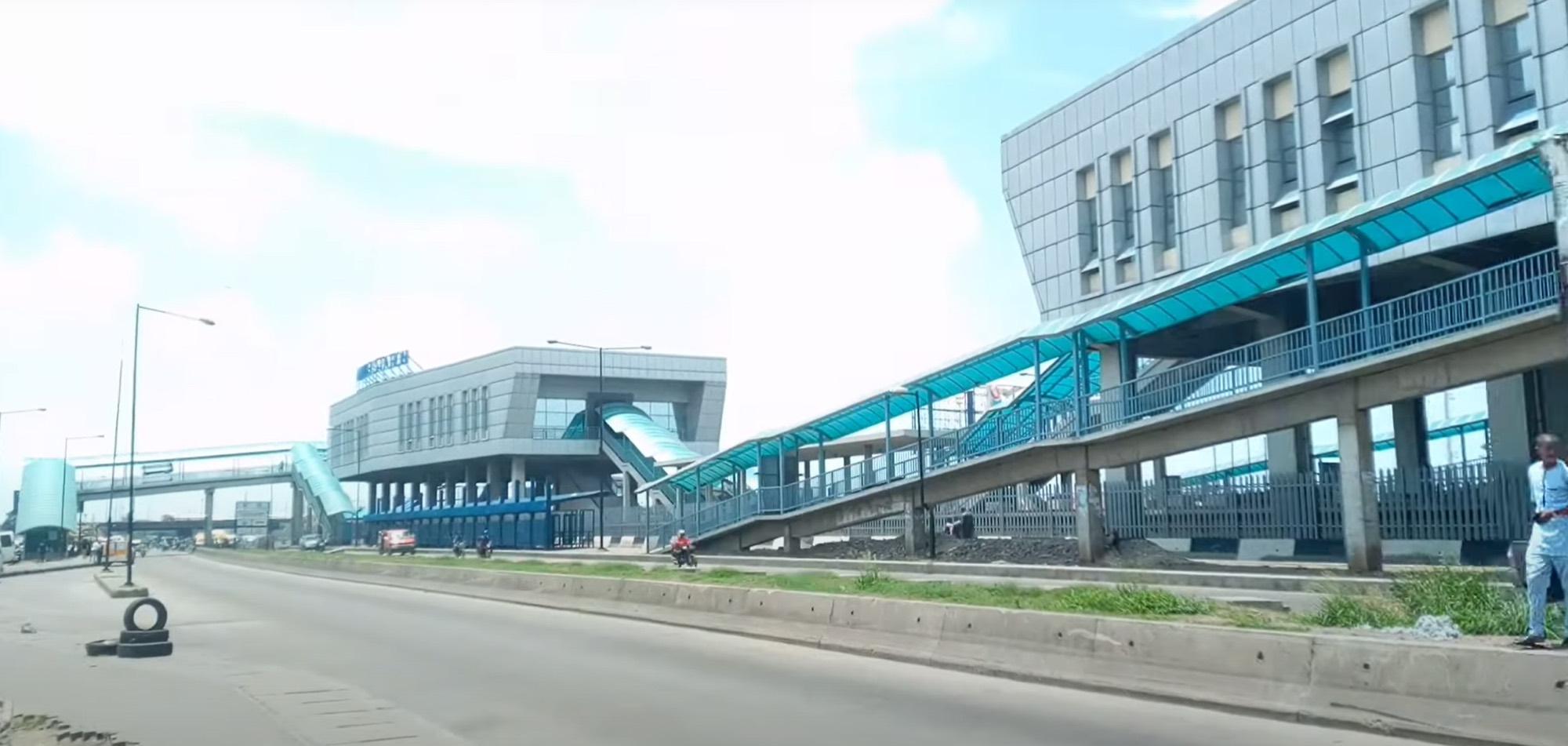
- Corridor
- About 27 km, Marina to Okokomaiko
- In service
- 13 km, five stations
- First passengers
- 4 September 2023
- Contractor
- CCECC, design and build
Headlines speak of forty years to build eight miles of railway across the lagoon. The eight miles are the roughly 13 km first operating phase. The forty years run from the original metro proposal to the first passengers on the modern line, not forty years of continuous construction.
01From proposal to first service
- 1983An earlier Lagos metro project is inauguratedCompletion was targeted for 1986.
- 1985Project terminated after a change of government
- 2000sLagos renews its urban rail ambitions
- 2008–2009The modern Blue Line programme takes shapeRight of way, financing, design and procurement challenges follow.
- 4 Sep 2023First 13 km phase opens to passengers
- Feb 2027FESTAC, Alakija and Trade Fair stations targetedAnnounced by LAMATA in October 2026, taking the line from five to eight stations.
Blue Line · Marina to Okokomaiko, about 27 km
- Marina
- National Theatre
- Iganmu
- Alaba
- Mile 2
- FESTAC
- Alakija
- Trade Fair
- Volkswagen
- LASU
- Okokomaiko
- In service
- Targeted for February 2027
- Planned, no confirmed date
02What makes it technically interesting
| Component | Specification |
|---|---|
| Total corridor | About 27 km |
| Stations | 11 planned |
| Elevated viaduct | About 8 km |
| Lagoon crossing | About 0.5 km |
| At grade alignment | About 19 km |
| Track | Double track |
| Traction | Electric multiple units |
| Design speed | 100 km/h |
| Power | Dedicated independent supply |
Building over a lagoon means weak and variable subsoils, deep marine piling, tides, corrosion, navigation clearance, difficult construction access and decades of structural monitoring. Carrying the line on a viaduct, rather than an embankment that would block the waterway, is the sensible choice, provided the hydrological, structural and environmental requirements are met.
03Could it have been delivered faster?
Yes, but not simply by finding a cheaper contractor. It takes better preparation, procurement, financing, engineering integration and continuity. Six approaches stand out.
- 01A
Precast segmental viaduct
Factory made segments placed by launching gantry: better quality, less time on water, less disruption to lagoon life.
- 02B
Marine piling and foundations
Thorough ground investigation and the right pile type give predictable foundations and controlled settlement.
- 03C
BIM and digital twins
One model for structure, ground, rail systems, utilities and drainage means fewer clashes and better cost forecasts.
- 04D
Integrated systems procurement
Signalling, rolling stock, power, stations and depots planned from day one, so finished civil works are not left idle.
- 05E
Predictive asset management
Structural health and corrosion monitoring reduce outages and protect the asset’s long term value.
- 06F
Transit oriented development
Stations integrated with homes, shops, bus terminals and public space create activity and non fare revenue.
04Benchmarks beyond Africa
Hong Kong MTR
Rail and property development together, with station area commerce funding operations.
Singapore MRT
Integrated transport planning, reliability and long term asset management.
Bangkok BTS Skytrain
Elevated urban rail threaded through a congested metropolis.
Copenhagen Metro
Modern signalling, automation and high frequency service.
05The economic test Lagos should apply
| Indicator | What Lagos should measure |
|---|---|
| Passenger capacity | Daily passengers against design capacity |
| Travel time | Door to door time saved |
| Affordability | Fare as a share of commuter income |
| Reliability | Share of scheduled services delivered |
| Productivity | Commuter hours recovered |
| Environment | Emissions avoided from displaced journeys |
| Finances | Farebox recovery and operating subsidy |
| Urban development | Investment and jobs around stations |
| Local capacity | Nigerian engineering participation and technology transfer |
| Asset health | Lifecycle maintenance cost and structural condition |
A railway’s value cannot be judged apart from its feeder network. If people cannot reach the stations easily, the line will never reach its potential. The next stage is integration: Blue and Red Lines, commuter rail, ferry terminals, BRT and neighbourhood buses, business districts, ports and logistics centres.
Sources
An independent RICITIES review of a project led by others. Figures and statuses are as publicly reported to November 2026 and should be checked against the latest agency records before being relied on.
Institutional engagement
Working on a project like this?
We help agencies, investors and communities test infrastructure proposals against what they will actually deliver: productivity, resilience and public value.
Lagos as a Lab
More project reviews
 01
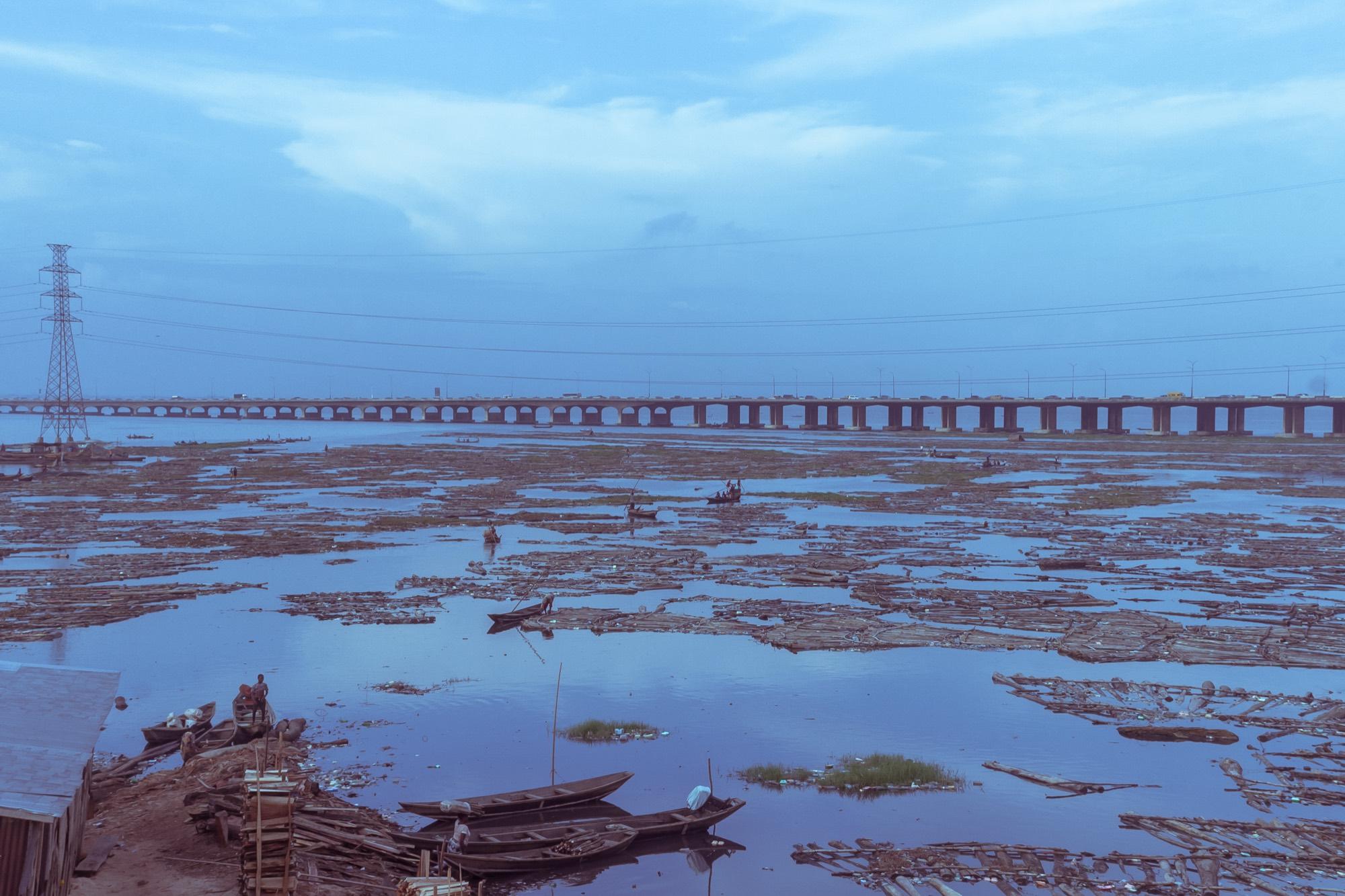
Unbuilt · preferred bidder named 2022
Fourth Mainland Bridge
Why has a $2.5 billion corridor stayed unbuilt for more than twenty years?
 02
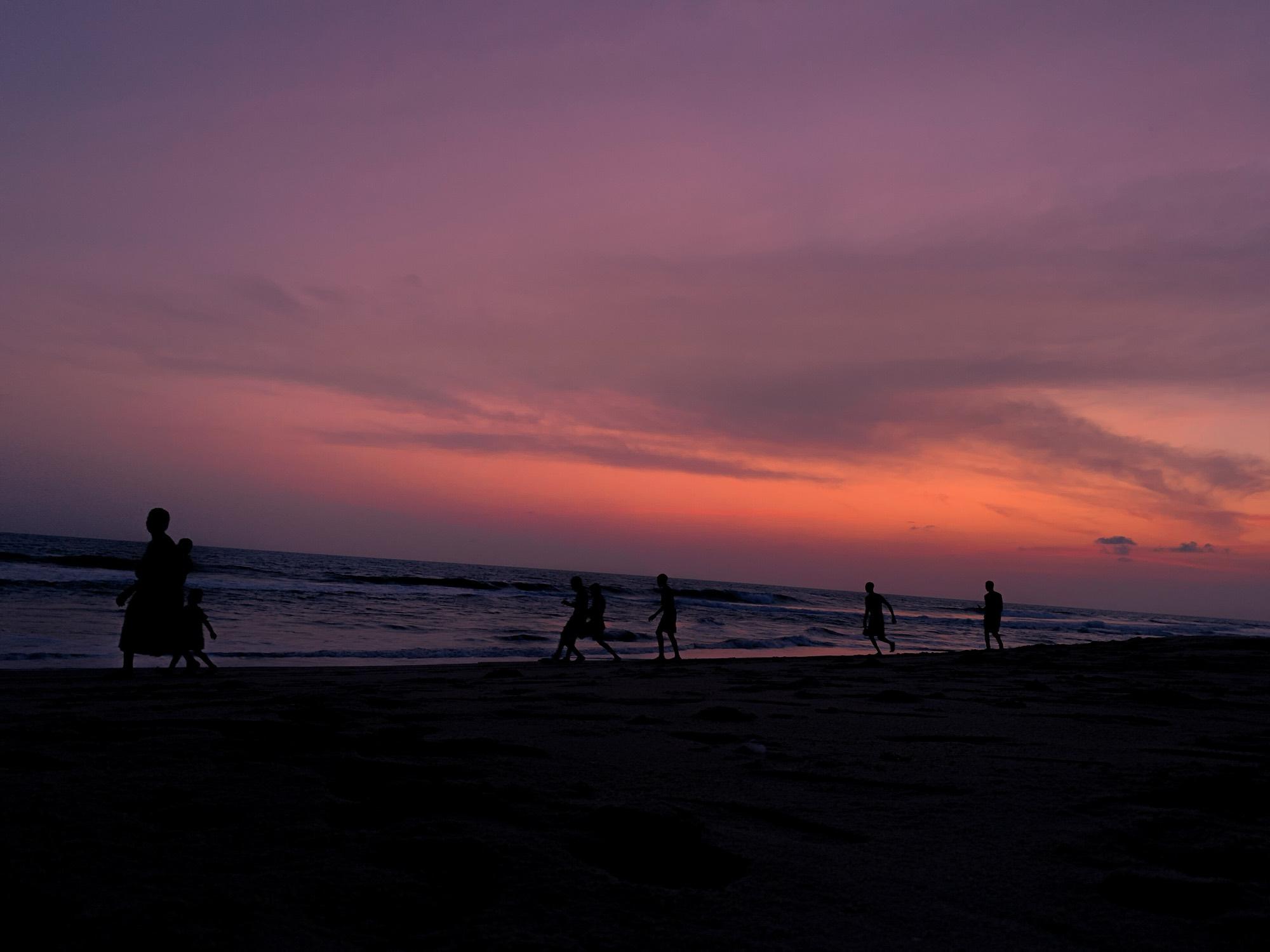
Under construction, section by section
Lagos–Calabar Coastal Highway
How do you build a long life concrete highway beside an eroding ocean?
 04
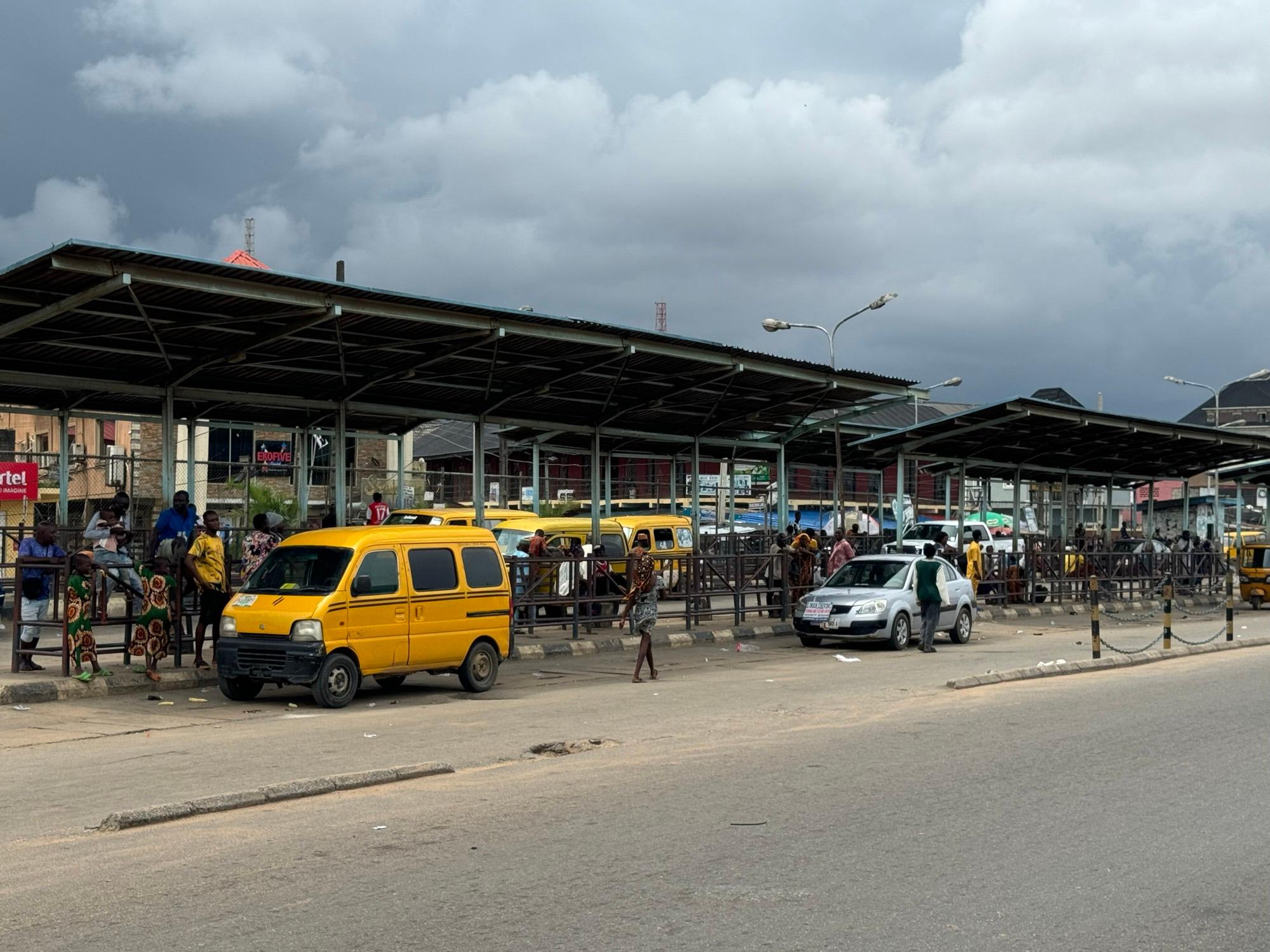
Multimodal network, partly operational
Lagos mass transit network
What has Lagos actually built, what is coming, and what is still only a line on a map?