The Lagos mass transit network: a review of what exists
What has Lagos actually built, what is coming, and what is still only a line on a map?
Rail, BRT, regulated buses, ferries and interchanges, coordinated by LAMATA under the Strategic Transport Master Plan. This review separates what operates today from what is under way and what is still proposed.
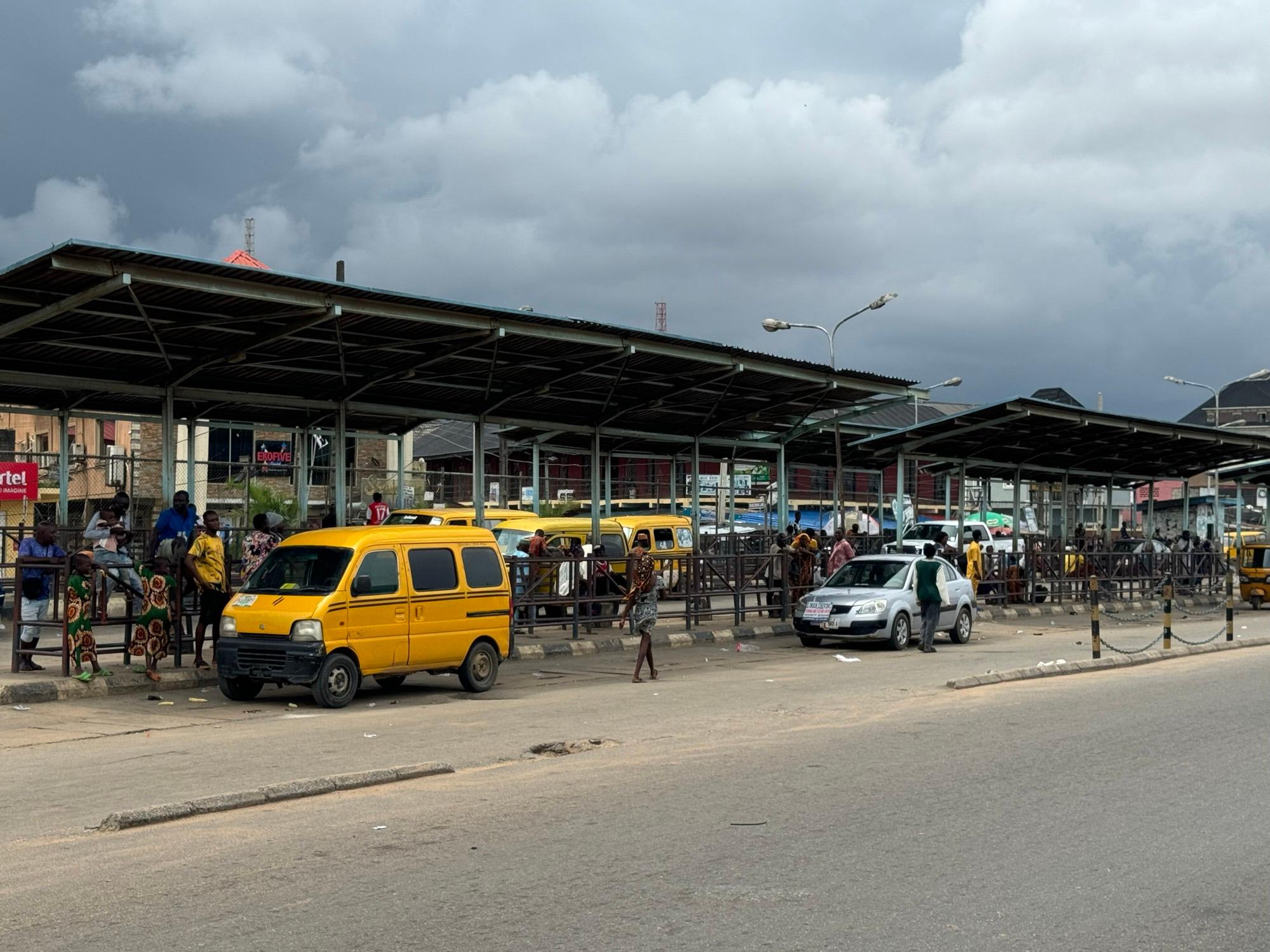
- Planning authority
- LAMATA
- Master plan horizon
- Under review, to 2048
- Rail corridors
- Six, plus a monorail concept
- Waterways programme
- Omi Eko, about €410 million
The starting point is the Strategic Transport Master Plan, coordinated by the Lagos Metropolitan Area Transport Authority. It was drawn up to guide transport needs to 2032 and is being reviewed to look ahead to 2048.
The intended system is not a collection of railway lines. It is a multimodal network of rail, BRT, regulated buses, ferries, interchanges, walking routes and digital systems. The key is to separate what operates, what is being built, what is approved and what remains a long term idea.
01Who is responsible for what
| Institution | Primary responsibility |
|---|---|
| Lagos State Ministry of Transportation | Policy direction, sector oversight and coordination |
| LAMATA | Strategic planning, mass transit infrastructure, BRT, rail, bus franchising and integration |
| LASWA | Inland waterways regulation, safety, infrastructure and terminals |
| LAGFERRY | State ferry operations |
| LBSL | State owned bus operations |
| LASTMA | Traffic management, enforcement and incident response |
| Lagos State Parking Authority | Parking management and regulation |
| Motor Vehicle Administration Agency | Vehicle registration |
| Vehicle Inspection Service | Roadworthiness inspection |
| LASDRI | Driver training and education |
LAMATA plans and coordinates the network. LASWA regulates and develops the waterways, while LAGFERRY runs ferries. LBSL operates buses; it is not the planning authority.
02Urban rail
Lagos Rail Mass Transit · six corridors
- BlueOkokomaiko · Mile 2 · MarinaMarina to Mile 2 in service; three stations targeted Feb 2027
- RedAgbado · Ikeja · Oshodi · Yaba · Oyingbo · MarinaAgbado to Oyingbo in service since Oct 2024
- GreenMarina · VI · Lekki · Ajah · Lekki Free Trade ZoneDevelopment agreements and MoU; not under construction
- PurpleRedemption Camp · Mowe · OjoLong term corridor
- YellowOtta · National TheatreLong term corridor
- OrangeIkeja · AgbowaLong term corridor
Scale: Long term corridor · Agreements and studies · Partly in service, extending · First phase in service
The Red Line’s first phase runs on infrastructure shared with the Nigerian Railway Corporation, with eight principal stations: Agbado, Iju, Agege, Ikeja, Oshodi, Mushin, Yaba and Oyingbo. Its extension to Marina and airport links belong to the wider plan.
The 68 km Green Line is arguably the most economically significant proposal: Marina, Victoria Island, Lekki, Ajah, Lekki Phase II, Ogombo, Elepetu and Eluju to the planned Lekki airport and Free Trade Zone. It should be planned together with Lekki Deep Seaport, the Free Trade Zone and the wider Lekki–Epe growth corridor.
03BRT, quality bus corridors and feeder buses
LAMATA’s Bus Reform Initiative sets out to formalise bus transport across the state. A 2012 study identified 485 bus routes; the 2014 revision of the master plan identified 14 BRT corridors.
| Corridor | Function |
|---|---|
| Mile 12 · Ketu · Ojota · CMS/TBS | Eastern Lagos to the central business district |
| Ikorodu · Fadeyi · Yaba · TBS | High volume Ikorodu commuter corridor |
| Oshodi · Abule Egba | Western and northwestern connection |
| Lagos–Badagry Expressway | Western gateway corridor, still under development |
- 011A
Ketu · Alapere · Akanimodo
Quality Bus Corridor package in LAMATA’s 2025 progress report.
- 021B
Yaba · Lawanson · Ijesha · Cele
Quality Bus Corridor package in LAMATA’s 2025 progress report.
- 032
Abule Egba · Iju Ishaga
Quality Bus Corridor package in LAMATA’s 2025 progress report.
- 043
Igando · Iyana Iba
Quality Bus Corridor package in LAMATA’s 2025 progress report.
Below the trunk routes sit standard services between activity centres and First and Last Mile community buses that feed them, organised across seven planning zones from Ikeja and Ketu to Ikorodu. Operators include LBSL, TSL Metroline, Amalgamated TSL and TEEJAY Motors, with the Cowry Card on formalised routes.
04Waterways and ferries
Lagos’s lagoons and creeks are an extraordinary advantage. LagFerry’s published network links terminals including Ipakodo and Ijede in Ikorodu, Five Cowries in Falomo, Marina and Ebute Ero on Lagos Island, Badore in Ajah, Mile 2, Ebute Ojo, Ijegun Egba and Liverpool in Apapa.
- Omi Eko investment, backed by AFD, the EU and EIB
- €410m
- Priority ferry routes
- 15
- Waterways to dredge and channel
- 140 km
- Terminals and jetties to build or upgrade
- 25
Omi Eko also plans around 78 electric or hybrid ferries, charging, maintenance, digital ticketing and intelligent transport systems, from 2024 to 2030.
05Where the network falls short
| Gap | Required intervention |
|---|---|
| Western Lagos | Complete the Blue Line to Okokomaiko and integrate Badagry corridor buses |
| Lekki–Epe | Accelerate Green Line preparation and protect its right of way |
| Ikorodu | Strengthen rail feasibility with ferry and feeder bus integration |
| Ogun–Lagos commuting | Coordinate rail and bus planning with Ogun State |
| Northern Lagos | Rail and quality bus links towards Ayobo and Iyana Ipaja |
| The Island | Integrate Marina, CMS, Victoria Island, Ikoyi and Lekki nodes |
| Affordability | Fare integration and targeted commuter support |
| First and last mile | More feeder buses, walking and cycling routes |
| Freight | Separate truck staging and port access from commuter corridors |
| Data | A single metropolitan mobility data platform |
06One integrated architecture
One network, six tiers
- Tier 1Urban railHigh capacity metropolitan movement
- Tier 2BRT and Quality Bus CorridorsHigh volume road based transit
- Tier 3Standard bus servicesConnect secondary urban centres
- Tier 4First and last mile busesNeighbourhood access
- Tier 5Ferries and water transportCross lagoon movement
- Tier 6Walking and cyclingSafe access to every stop
Supporting: interchanges, common fares and passenger information
Sources
An independent RICITIES review of a project led by others. Figures and statuses are as publicly reported to November 2026 and should be checked against the latest agency records before being relied on.
Institutional engagement
Working on a project like this?
We help agencies, investors and communities test infrastructure proposals against what they will actually deliver: productivity, resilience and public value.
Lagos as a Lab
More project reviews
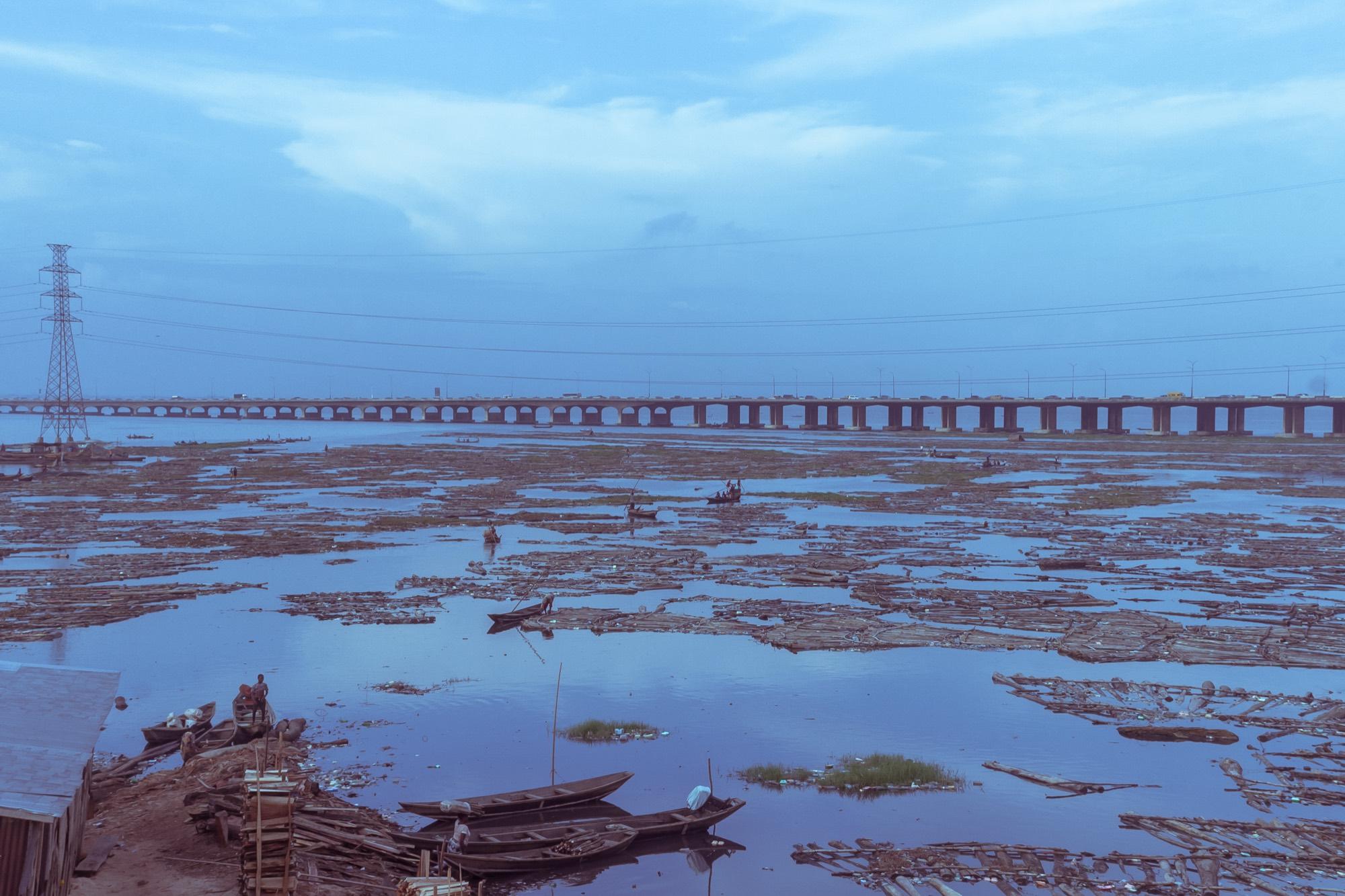 01
Unbuilt · preferred bidder named 2022
Fourth Mainland Bridge
Why has a $2.5 billion corridor stayed unbuilt for more than twenty years?
 02
Under construction, section by section
Lagos–Calabar Coastal Highway
How do you build a long life concrete highway beside an eroding ocean?
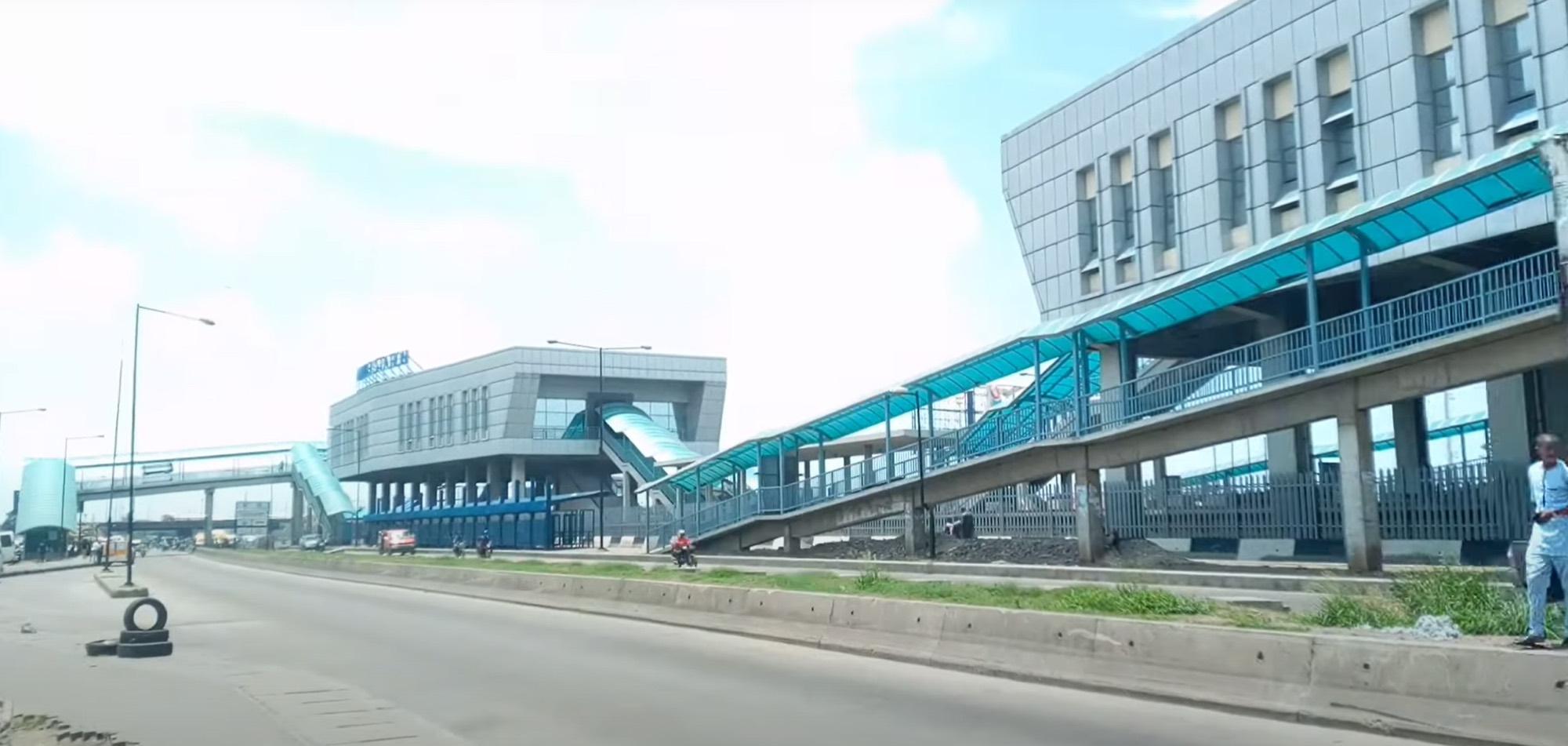 03
Marina to Mile 2 in service since 2023
Lagos Blue Line
What does the Blue Line teach about the gap between engineering and delivery?