 Benchmark study
City models10 min read
Six city models for Lagos
Shanghai, Copenhagen, New York, London, France and Johannesburg each solved a different problem Lagos faces. What each one teaches.
A shared, long term vision for how Lagos grows: a spatial development corridor organised around five structural groupings, and a planning method grounded in evidence from cities around the world.
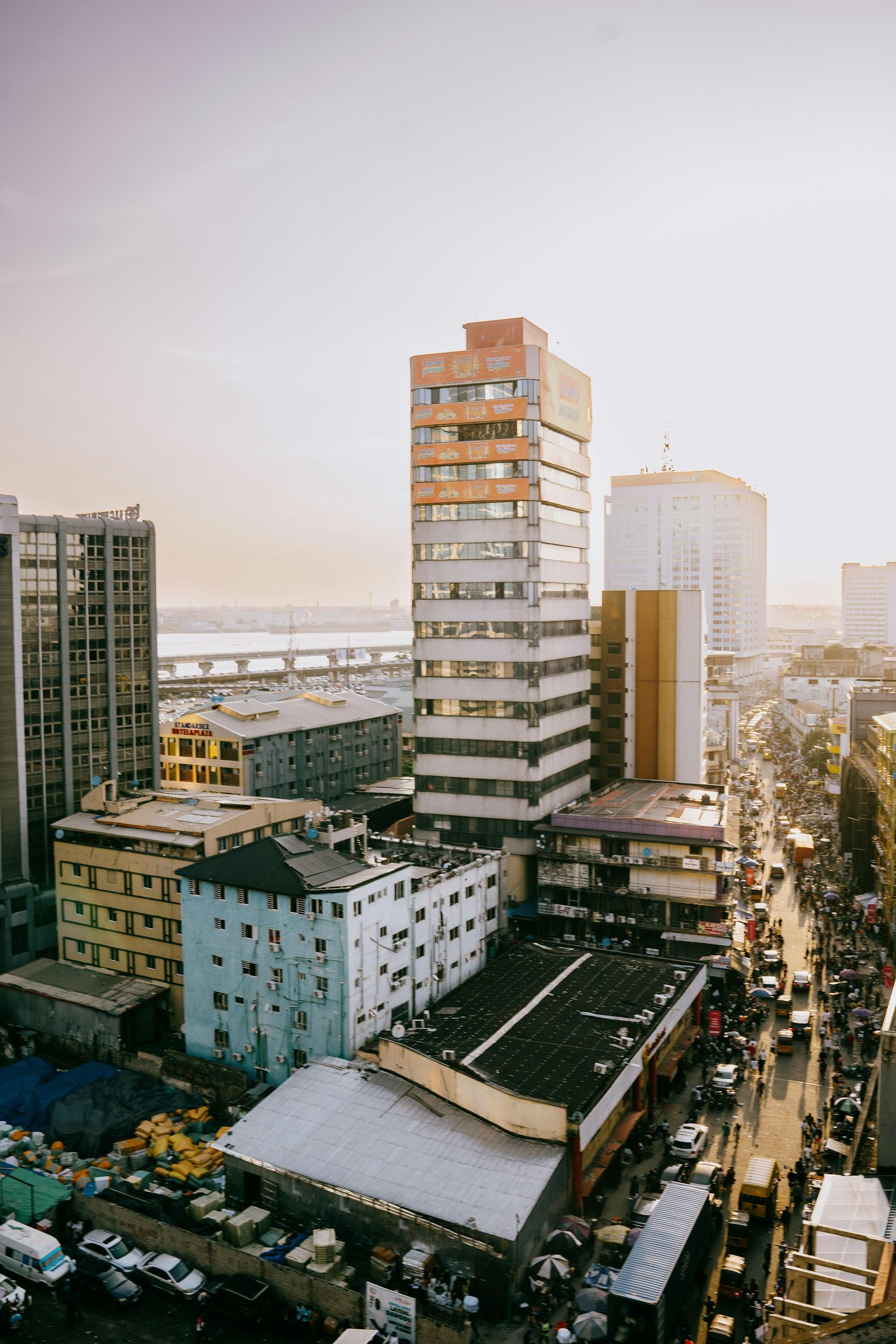
01The case
Developing Lagos starts with a clear vision of the future and the goals that lead to it. The Lagos Urban Vision is our contribution to that: an urban development concept and strategy with a 2030 horizon.
Shaping the future of a growing city touches far more than politics and local government. It needs the institutions and individuals who live and work in Lagos to take part. Everyone active in the city is invited to consider their role in shaping its future and in carrying a shared strategy forward.
Questions the vision asks
02Spatial development strategy
The strategy organises growth along a spatial development corridor, around five groupings of community and economic life. Each one needs the others to work.
Spatial development corridor · five structural groupings
03Instruments
Proven development instruments from South African practice, considered for the Lagos context.
Strategies that grow a place from its own economic strengths, with local government, business and communities working to the same plan. Gauteng’s Blue IQ programme, launched around 2000, is the reference in our notes.
Purpose built, serviced industrial estates, usually tied to a port or airport, that make it easier to produce, process and export.
Targeted public and private investment along a corridor, to unlock economic potential that poor infrastructure has kept out of reach.
04Method
The brief analyses not just the location but the context of the city. It sets design objectives, tests options and recommends a solution for the settlement or project.

Section 1
Analysis and design principles
Section 2
How the options respond
Architecture is three dimensional and site specific, so we study sites first hand.
Each brief addresses, as the site requires:
05Evidence
The most open, connected cities tend to be the most successful. The vision draws on city models from Shanghai to Johannesburg, and on the history of Lagos itself.
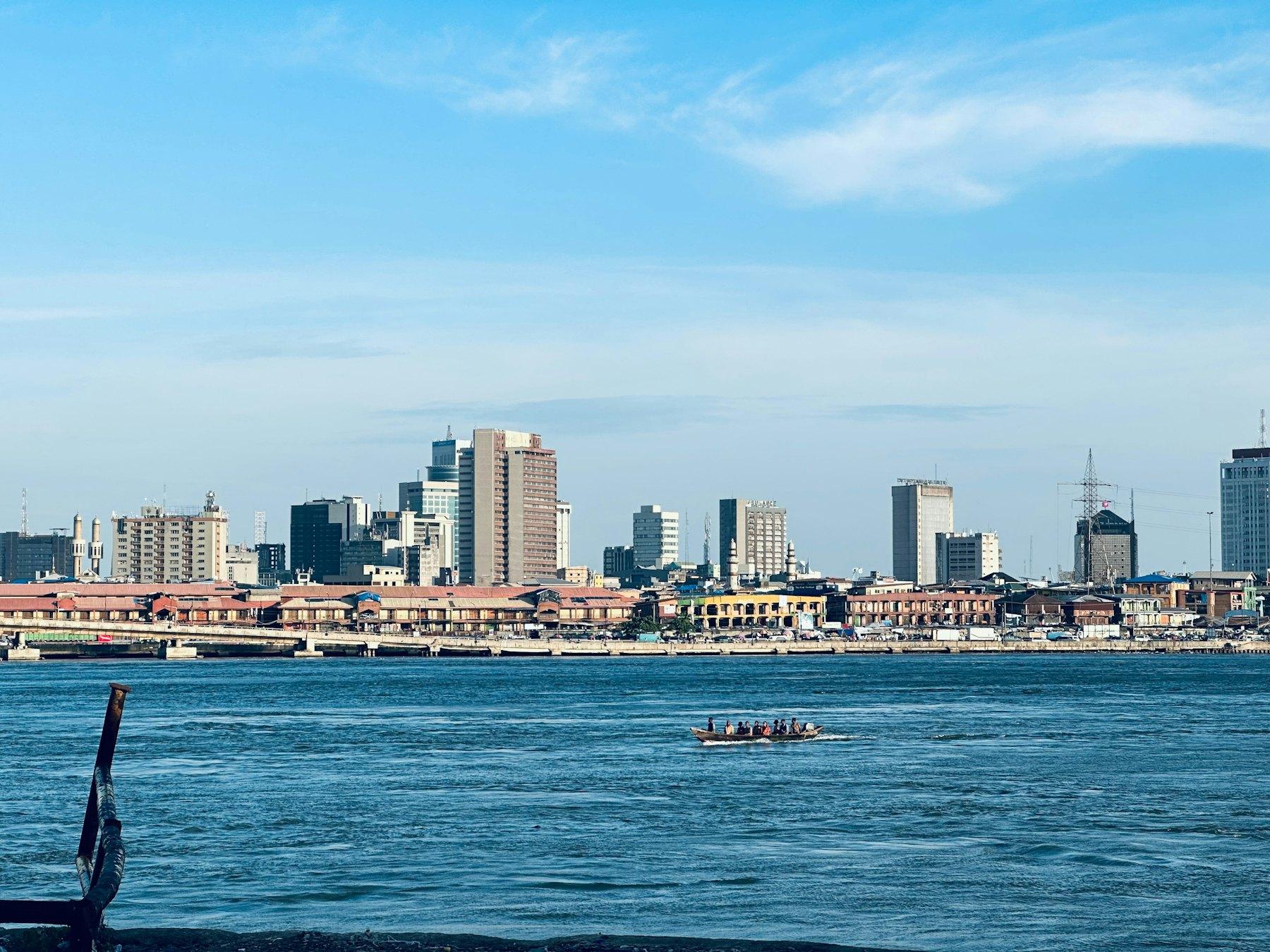
Benchmark studyCity models10 min read
Shanghai, Copenhagen, New York, London, France and Johannesburg each solved a different problem Lagos faces. What each one teaches.
 Briefing
Heritage8 min read
How colonial planning, an elite modernist dream and an informal city built by its people shaped Lagos, and what a new architectural image could be.
Institutional engagement
If you are active in Lagos, as an agency, institution, investor, professional or resident, tell us how you would like to help shape the vision.