Benchmark studyCity models
Six city models for Lagos
Shanghai, Copenhagen, New York, London, France and Johannesburg each solved a different problem Lagos faces. What each one teaches.
RICITIES research · 10 min read
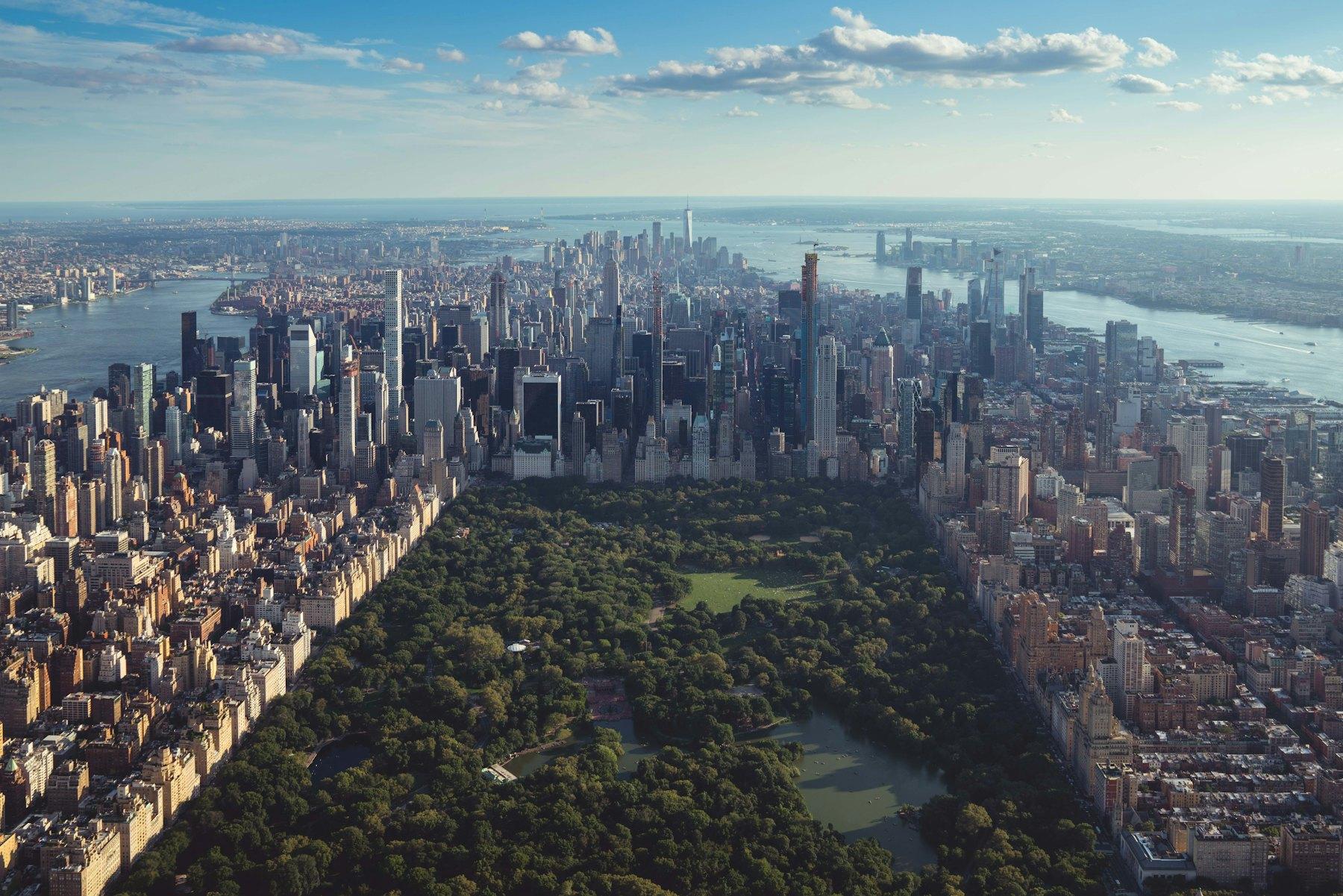
The more open and connected a city is to the world, the more it tends to grow and succeed. Truly global cities such as London, New York, Shanghai, Singapore, Sydney and Vancouver are no accident. Each made choices about its form, its economy and its people that others can learn from.
For our Lagos Urban Vision we looked at six models, each chosen for a different problem Lagos faces. They are not templates to copy. They are evidence of what works, and of what it takes.
 01
China
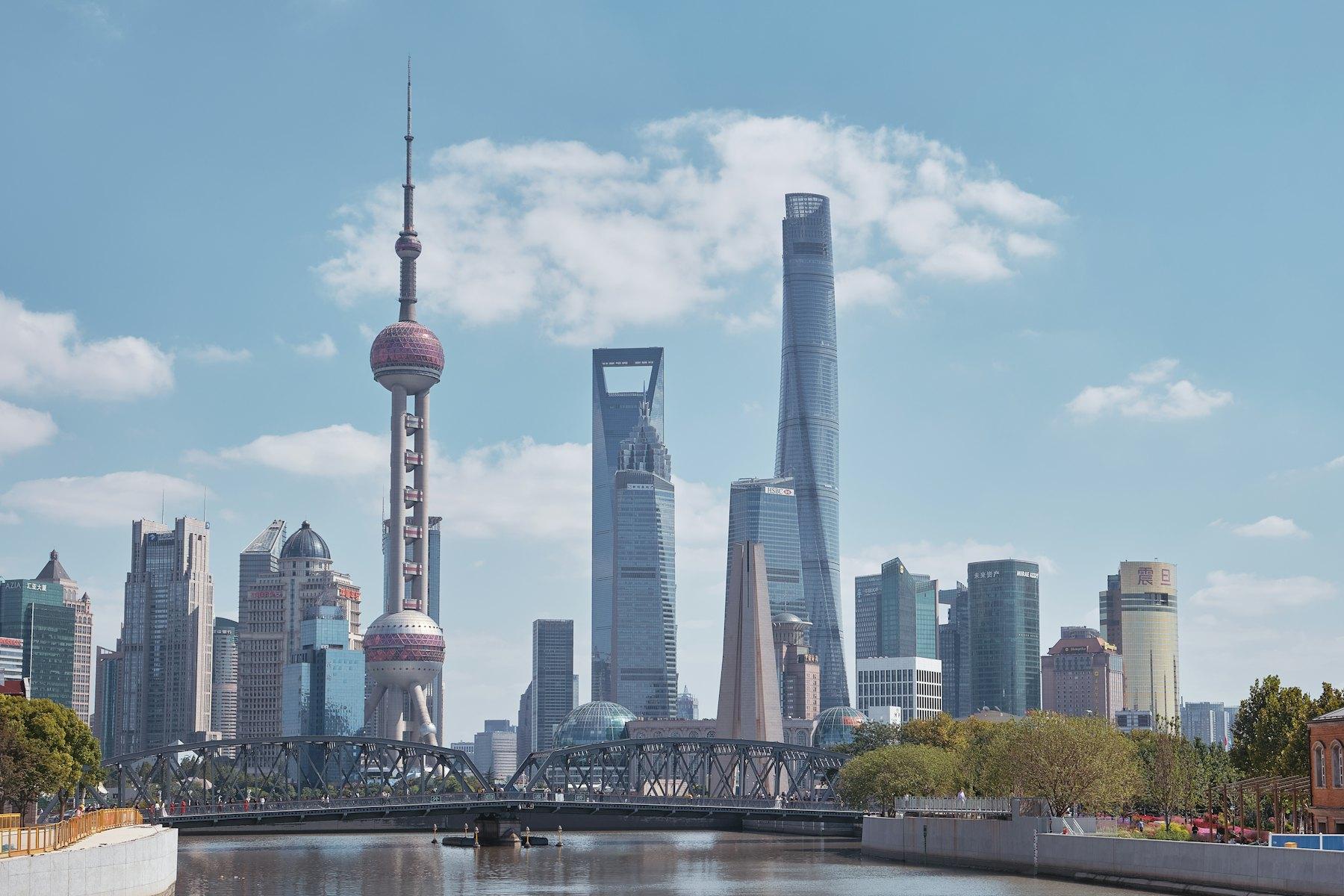
Shanghai
A city tied to its hinterland
Since the early 2000s Shanghai and Hong Kong have been seen as rivals for the economic centre of Greater China. Hong Kong’s strengths lie in its legal system, financial integration and services expertise.
- Strong links to the Chinese interior and to central government
- A large base in manufacturing and technology
- A financial district built on the opposite bank of the river from the old city
For Lagos. Connect the city to the national economy behind it. Lagos is the gateway to Nigeria and much of West Africa.
 02
Denmark
Copenhagen
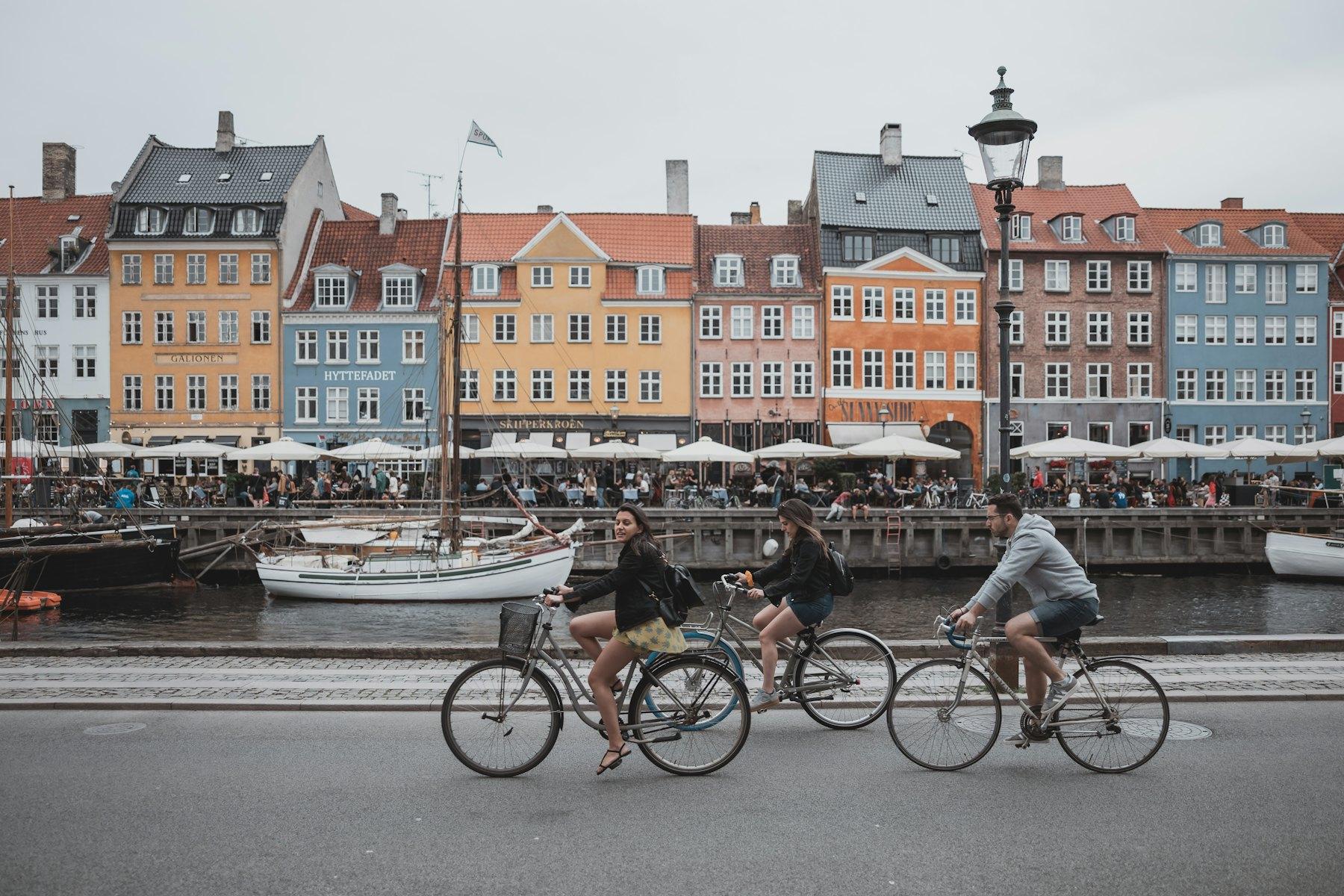
Density that makes cycling the norm
Copenhagen anchors a cross border region with Malmö in Sweden, joined by the Øresund Bridge since 2000. Both are relatively dense cities, which favours public transport, walking and cycling.
- In 2016 bicycles outnumbered cars on the streets of central Copenhagen
- 62% of people who live and work or study in Copenhagen cycled there in 2016
- Low car ownership in parts of the centre
For Lagos. Density and safe, continuous routes make cheap, clean mobility the easy choice.
- 03
United States
New York City
A legible grid and a city of neighbourhoods
A major port at the mouth of the Hudson River and the largest American metropolis, spread across five boroughs, each with its own character.
- An efficient street grid that makes the city easy to read and move through
- Districts so distinct that their names stand for whole industries: Wall Street, Broadway, Fifth Avenue
- One of the most diverse populations of any city on earth
For Lagos. A clear urban form and strong neighbourhood identities let a very large city work as many smaller ones.
 04
United Kingdom
London
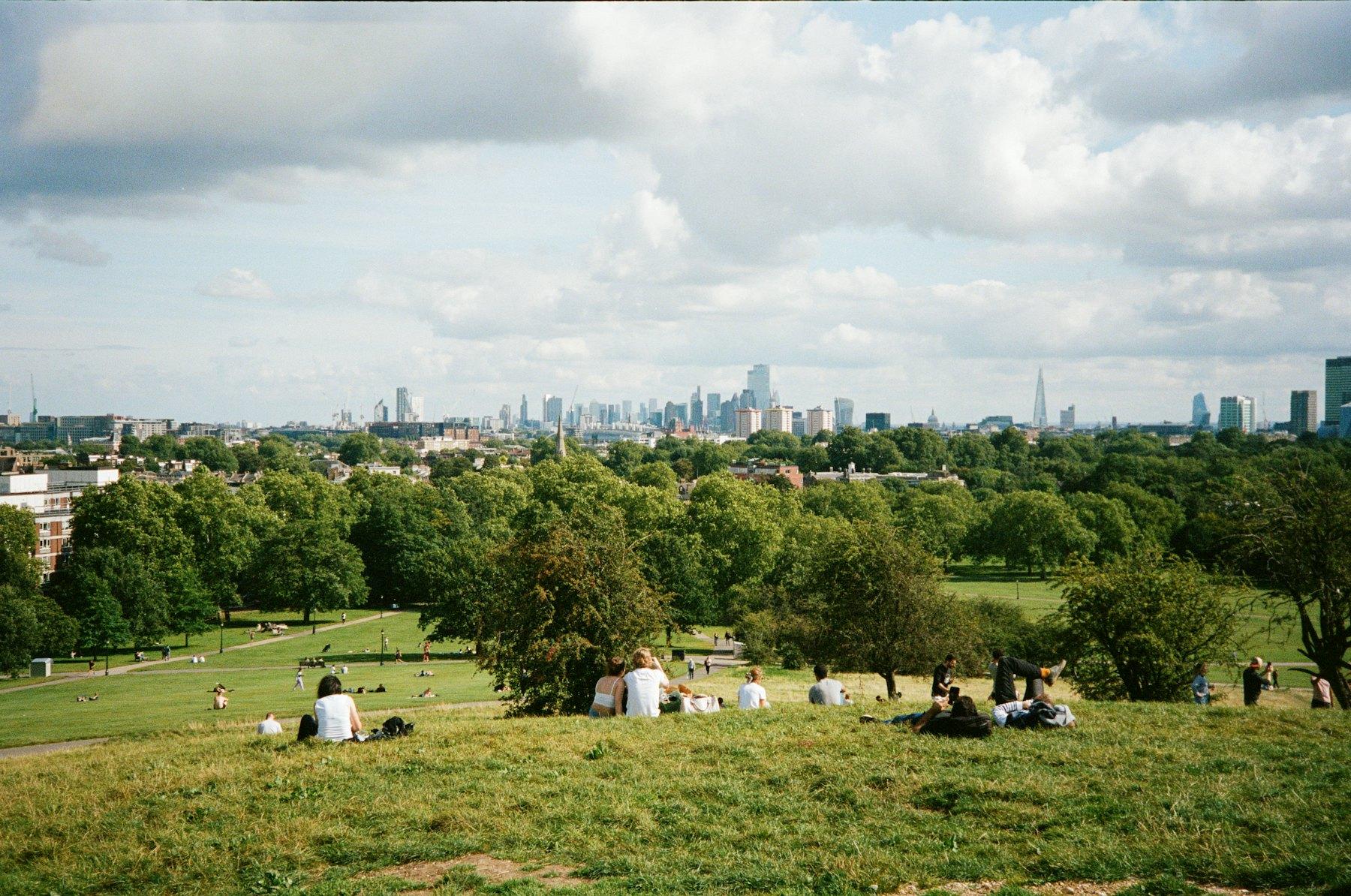
Green space and clean air as infrastructure
With its population growing, London is under pressure on its green spaces and its air. It has answered with policy at the scale of the whole city.
- Declared the world’s first National Park City in 2019
- An Ultra Low Emission Zone, from central London in 2019 to the whole city in 2023
- Protected cycle routes running into and across the centre
For Lagos. Treat parks, rivers and clean air as essential infrastructure, not a luxury to fund when money allows.
 05
National urban policy
France
A national framework, delivered city by city
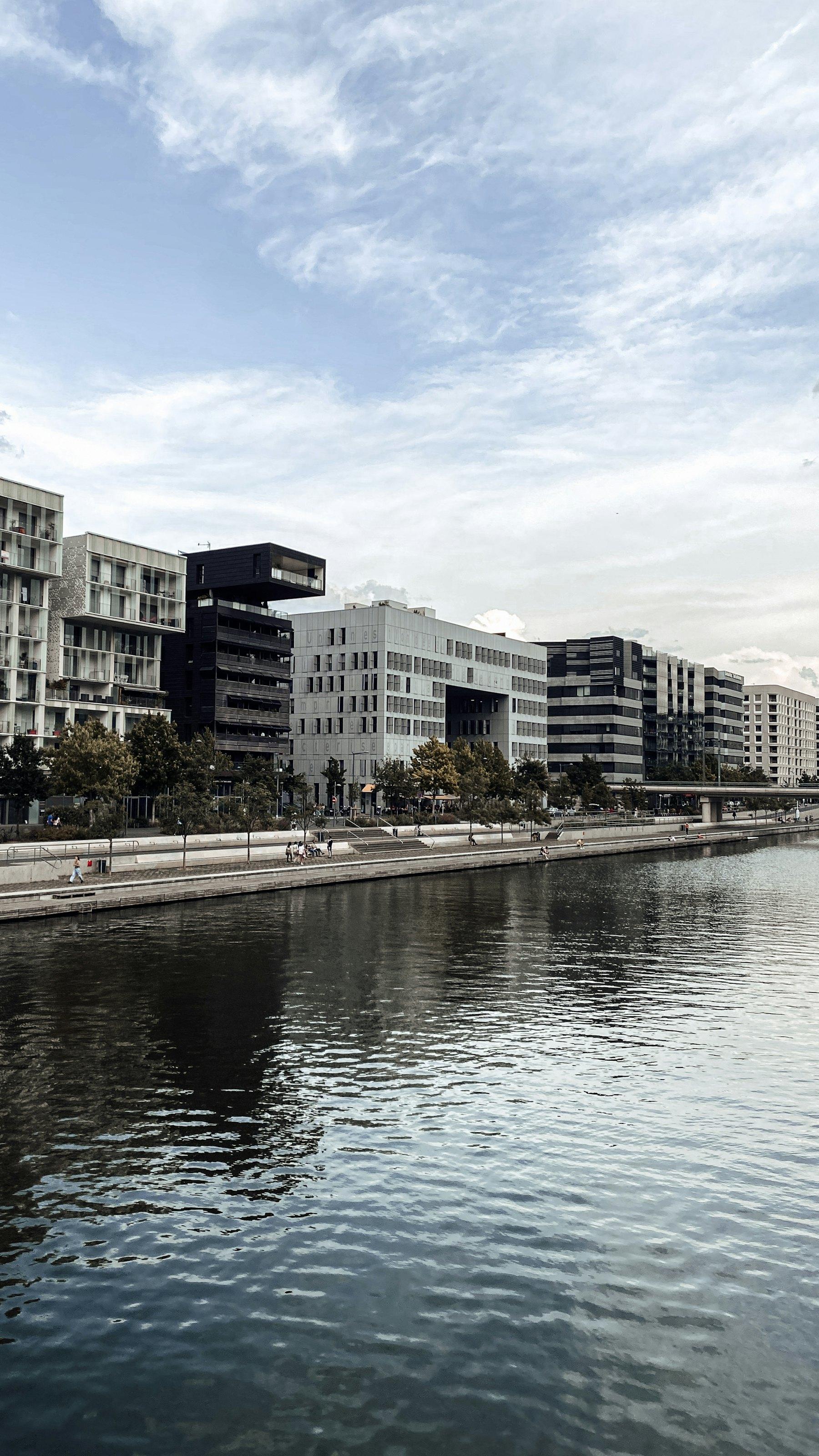
France treats urban policy through territorial equality and sustainable development, set nationally and agreed locally.
- The Politique de la ville, delivered through city contracts (contrats de ville) for deprived neighbourhoods
- Labels and programmes for sustainable districts and cities, such as ÉcoQuartier and ÉcoCité
- A national agency for territorial cohesion (ANCT) coordinating the work since 2020
For Lagos. Pair a clear national framework with contracts and standards that each city can apply to its own neighbourhoods.
 06
South Africa
Johannesburg
Undoing a divided geography
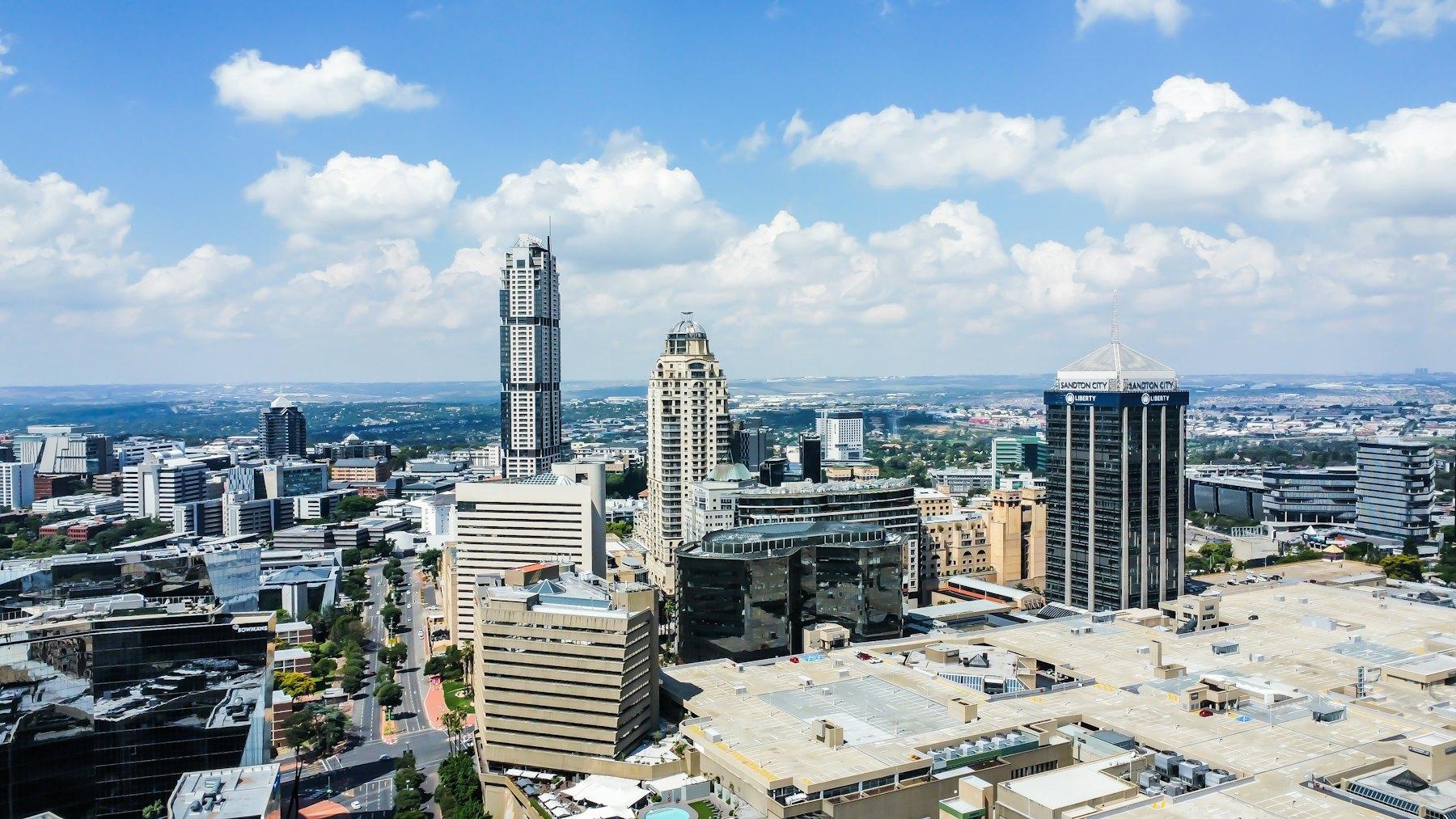
South Africa’s cities still carry apartheid’s spatial legacy: workers living far from jobs, long and costly commutes, and neighbourhoods divided by race and class.
- Spatial transformation made a national goal, in the National Development Plan and the Integrated Urban Development Framework
- A push to densify well located areas rather than build ever further out
- Regular State of South African Cities reports that track progress honestly
For Lagos. A divided city does not heal by itself. It takes a clear spatial vision, the tools to deliver it and years of persistence.
07What the six have in common
Institutional engagement
Help shape the Lagos Urban Vision
We welcome contributions from agencies, institutions, professionals and residents who want a say in the city’s future.
Keep reading
More from the knowledge centre
 Benchmark study
Infrastructure competitiveness18 min read
Global Cities Standard Benchmark: a conditional assessment of Lagos infrastructure
Ten infrastructure systems, six reference cities and one question: is Lagos building for performance or for visibility? Our flagship study, with a scorecard, a sector by sector review and a proposed performance index.
 Perspective
Waterfront economies14 min read
The economics of inclusive, vibrant and resilient waterfronts
The best waterfront is not the one that maximises shoreline property values. It is the one that maximises participation, environmental performance and public value across the whole waterfront economy.
 Perspective
Urban philosophy9 min read
Urbansophy: the six places of a healthy city
Why do we still build cities that fail the people in them? Our philosophy of the city, from its five components to the six places every settlement needs.