PerspectiveWaterfront economies
The economics of inclusive, vibrant and resilient waterfronts
The best waterfront is not the one that maximises shoreline property values. It is the one that maximises participation, environmental performance and public value across the whole waterfront economy.
RICITIES research · 14 min read
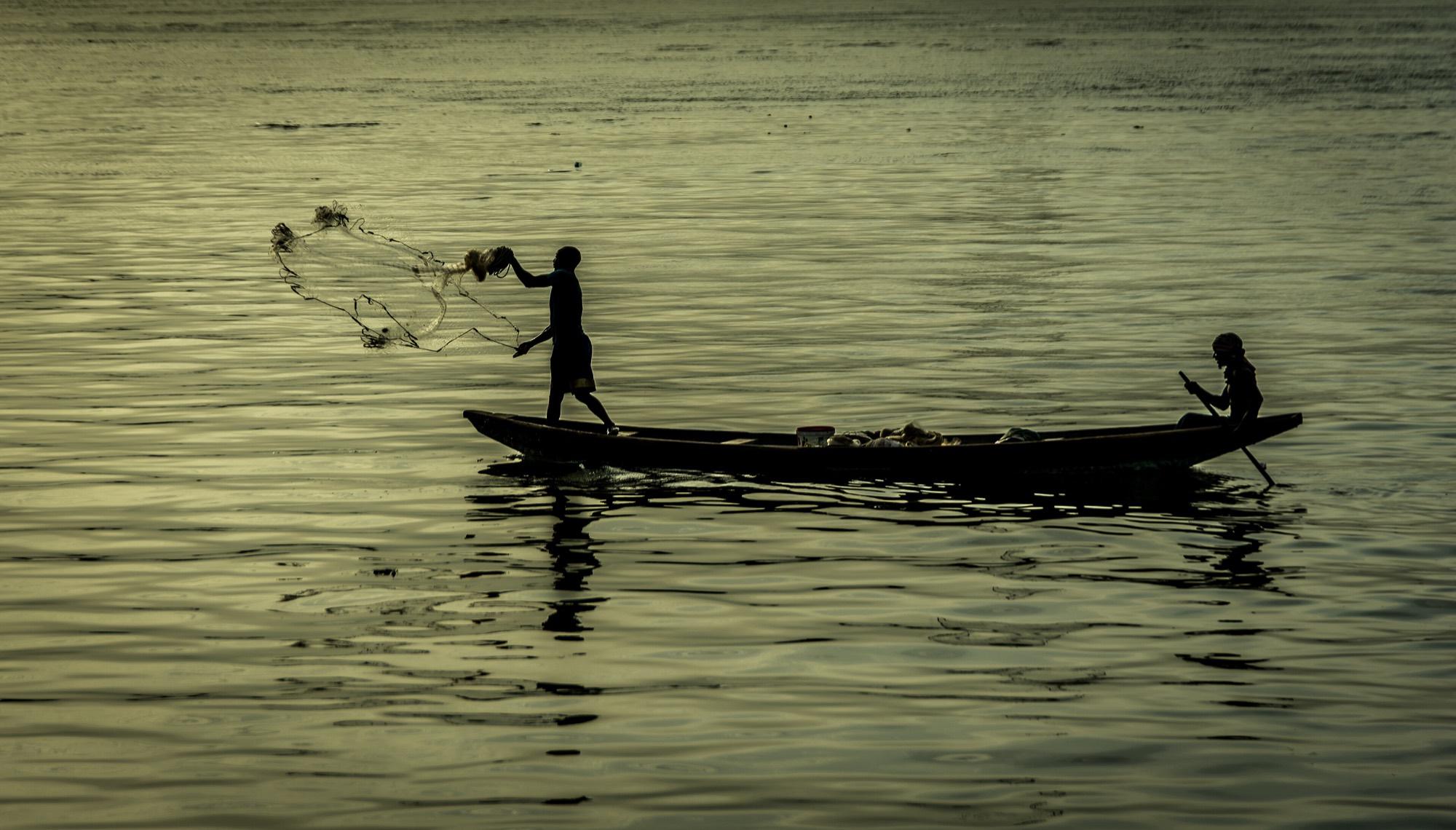
A modern waterfront should not be developed only as expensive residential, hotel or commercial real estate. It should be a working economic ecosystem where maritime trade, tourism, housing, recreation, culture, transport, food, nature and public life support one another.
The most successful waterfront is not the one that maximises property values along the shoreline. It is the one that maximises sustainable economic participation, environmental performance and public value across the entire waterfront ecosystem.
An exclusive waterfront can earn substantial property income and still leave its neighbours disconnected. An inclusive one creates a far wider multiplier through jobs, enterprise, tourism, transport, services and a cleaner environment.
01Five economies on one shoreline
02Designed for every demographic
Different groups create demand at different times, through different activities and at different prices. Serving all of them keeps a waterfront active through the day, the week and the year.
| Who | What they need | What they contribute |
|---|---|---|
| Low income households | Free public space, markets, affordable food | Local spending and participation |
| Middle income households | Affordable dining, recreation and housing | Steady domestic demand |
| High income households | Premium homes, hotels and marinas | Investment and high value spending |
| Children and families | Safe parks, playgrounds and beaches | Family tourism and repeat visits |
| Young people | Sport, technology and entertainment | Innovation and enterprise |
| Older people | Accessible walkways, seating, health care | An inclusive leisure economy |
| Workers and commuters | Ferries, transit and food | Daily commerce |
| Fishing communities | Landing facilities, markets, cold storage | Food security and the blue economy |
| Visitors | Hotels, culture and excursions | External spending and foreign exchange |
| People with disabilities | Universal access and accessible transport | Wider participation |
Cross subsidy makes it work. Hotels and offices generate rent and taxes, concessions generate lease income and marinas earn user fees, while promenades stay free and affordable markets support local traders. Not every facility must be profitable; the whole must be financially sustainable and deliver measurable public value.
03What the world’s waterfronts teach
| Waterfront | Strength | Lesson |
|---|---|---|
| Marina Bay, Singapore | International business destination | Government led infrastructure can unlock private investment |
| Nordhavn, Copenhagen | Sustainable neighbourhoods | Port conversion can keep walkability and public access |
| Rotterdam | Climate adaptation | Resilience protects property, jobs and services |
| Port Vell, Barcelona | Tourism and heritage | Maritime heritage can become a cultural and commercial asset |
| Waterfront Toronto | Institutional delivery | A dedicated corporation can coordinate agencies and investors |
| Battery Park City, New York | Public realm and land value capture | Land revenues can fund generous public amenities |
| HafenCity, Hamburg | Large scale mixed use expansion | Phased, infrastructure led growth on flood adaptive platforms |
No single model should be copied. The opportunity is to combine their strengths into one strategy. See our ten waterfront precedents for the full comparison.
04The blue economy is the engine
- Named seafood a major blue economy sector
- 90%
- Named water related tourism
- 86%
- Named water passenger transport
- 70%
- Saw job creation as a leading driver
- 90%
OECD survey of 81 cities, regions and water basins, The Blue Economy in Cities and Regions.
Developing economies should move beyond exporting raw resources. A well planned waterfront turns fishing into a full value chain: sustainable fisheries, landing and inspection, cold storage, processing and packaging, wholesale and retail markets, then restaurants, distribution and export. The result is jobs, local industry, food security and export revenue.
05Protect the assets that create the wealth
- Blue
Mangroves, wetlands and lagoons
Biodiversity, natural flood buffering, fisheries and carbon storage.
- Green
Parks and permeable landscapes
Storm water management, cooling, health and recreation.
- Grey
Drainage, defences and pumps
Infrastructure protection and continuity of service.
The World Bank estimates the flood protection benefit of the world’s mangroves at a present value of about $855 billion. A mangrove belt is not undeveloped land; it is productive natural infrastructure. A serious developer prices flood probability, damage, business interruption, insurance, repair and displacement, and the value of losses avoided.
06A waterfront for every hour
A waterfront that works around the clock
- 05:00 to 08:00Fish landings, exercise, commuters
- 08:00 to 12:00Offices, markets, ferries
- 12:00 to 15:00Restaurants, retail, public space
- 15:00 to 18:00Families, tourism, sport
- 18:00 to 22:00Dining, culture, events
- 22:00 to 05:00Hospitality, port logistics, security
Every waterfront neighbourhood should also pass a fifteen minute test: transport, food, recreation, community facilities, jobs, water access, green space and health care within easy reach, so the waterfront works as part of the city and not as an isolated destination.
07Making inclusive waterfronts pay
Land value capture
Ground leases, development rights and land premiums.
Commercial leasing
Offices, shops, restaurants and business premises.
Hospitality and tourism
Hotels, events, attractions and excursions.
Maritime and concessions
Terminals, marinas, ferries, utilities, parking and energy.
Lease strategic waterfront land rather than sell it: the public keeps a long term stake while private partners invest under defined obligations. Structure delivery through a public landowner or development authority, a master development company and specialist vehicles for infrastructure, commerce, hospitality, maritime assets, community facilities and ecological management. And do not spend all the capital on visible buildings; protect the infrastructure that makes the district work.
08Lagos: a network of waterfront economies
| District | Principal economic function |
|---|---|
| Lagos Island and Marina | Financial services, tourism, cruise and passenger mobility |
| Apapa | Port logistics, maritime services and industrial support |
| Lekki coastal corridor | Hospitality, tourism, recreation and marine business |
| Victoria Island | Premium commerce, hospitality and leisure |
| Badagry | Heritage tourism, fishing, culture and coastal regeneration |
| Epe | Fisheries, aquaculture, food processing and eco tourism |
The opportunity reaches across West Africa: maritime transport, coastal tourism, fisheries, marine food processing, ship repair, renewable energy and coastal restoration. Development finance increasingly treats coastal protection and economic development as one investment, as in the World Bank’s West Africa Coastal Areas programme.
09Ten principles for the next generation
- 01
Public access before exclusivity
Continuous, meaningful access wherever physically and environmentally feasible.
- 02
Economic diversity before monoculture
No dependence on luxury property, tourism or any one industry.
- 03
Local participation before displacement
Protect communities, livelihoods and heritage.
- 04
Infrastructure before speculation
Drainage, mobility, utilities and flood protection before occupation.
- 05
Natural capital before degradation
Protect mangroves, wetlands, fisheries and biodiversity.
- 06
Mixed use before enclaves
Jobs, homes, commerce, recreation and hospitality together.
- 07
Public transport before car dependency
Ferries, buses, walking and cycling built in.
- 08
Long term management before ribbon cutting
Fund maintenance and operations from the start.
- 09
Adaptation before irreversible construction
Risk informed planning and resilient engineering.
- 10
Public value before speculation
Link development rights and incentives to verified outcomes.
Sources
Institutional engagement
Planning a waterfront that works for everyone?
We help governments, investors and communities shape waterfronts as productive, inclusive and resilient economies.
Keep reading
More from the knowledge centre
 Benchmark study
Infrastructure competitiveness18 min read
Global Cities Standard Benchmark: a conditional assessment of Lagos infrastructure
Ten infrastructure systems, six reference cities and one question: is Lagos building for performance or for visibility? Our flagship study, with a scorecard, a sector by sector review and a proposed performance index.
 Perspective
Urban philosophy9 min read
Urbansophy: the six places of a healthy city
Why do we still build cities that fail the people in them? Our philosophy of the city, from its five components to the six places every settlement needs.
 Benchmark study
Waterfront economies12 min read
Ten waterfront precedents for an African waterfront economy
What Singapore, Hamburg, Cape Town and seven other cities teach about building a waterfront that works as an economy, not only as real estate.