PerspectiveUrban philosophy
Urbansophy: the six places of a healthy city
Why do we still build cities that fail the people in them? Our philosophy of the city, from its five components to the six places every settlement needs.
RICITIES research · 9 min read
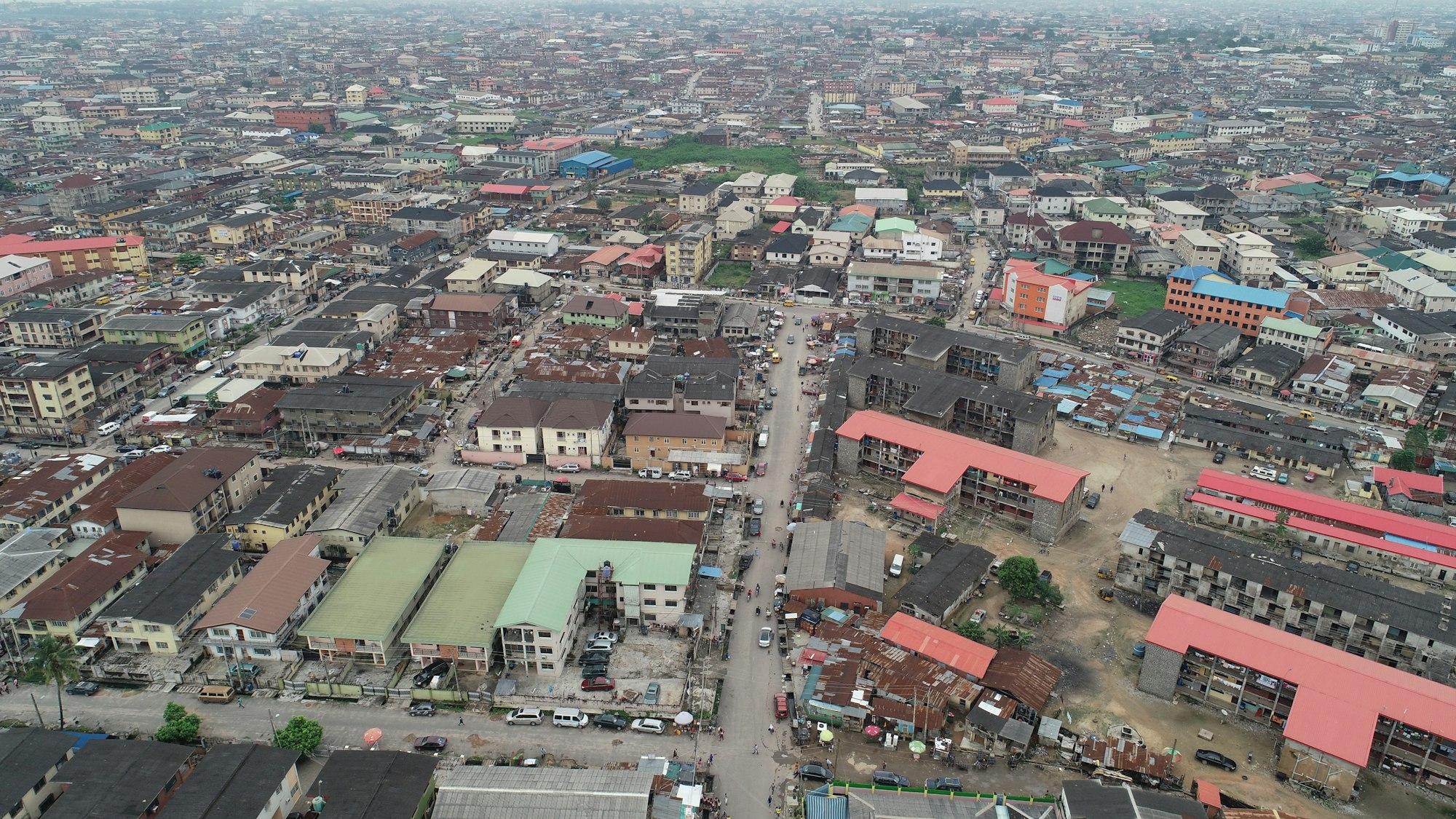
Science and technology have given us the means to plan our settlements with care. Yet in every part of the world, cities still fail the people who live in them. Urbansophy, our name for the philosophy of the city, starts from that contradiction and asks a plain question: how should we live?
If the world has moved into an urban century, then city making should be guided by how people can live well, peacefully and productively, in every place and at every time. Our focus is people in their environment, and the life of the people in cities.
01What is a failed city?
Life is the most precious thing on earth and the reason a city exists. So when a city fails, its people pay the price. They live with illness and dysfunction, in poor homes and, too often, in deep poverty.
The antidote to a failed city is skilful planning. Planning the life of a community is not optional. It is an obligation for every leader and every institution entrusted with governing it.
02What you do not measure, you cannot manage
Even a good cup of tea starts with measurement: the right amount of water, tea, sugar and milk, at the right temperature. Get the quantities right and the result is reliable every time.
A city is infinitely more complex, but the principle holds. Calculation comes first, to avoid the waste and damage that errors cause. It is the oldest, simplest proof that a method works when it is properly applied.
03The five components of a city
We read every city through five components. None can be planned well in isolation, and the first four exist to serve the fifth.
- 01
Environment
The environmental science of planning overlaps every other component. It is what links a city’s design and management to a sustainable, low carbon future and to resilience against environmental harm.
- 02
Housing
Buildings give a city its structure and form. They fall into five groups: homes, public buildings, markets, administrative buildings and schools. Each needs its own setting and buffers so the groups work together.
- 03
Public realm
The city’s living room and its nervous system: where people gather for recreation, festivals, a walk or a view of green space. It is common ground for the humble and the mighty alike.
- 04
Circulation
Every living thing moves. A city’s structure shapes how it moves, by road, rail, air, water and tram. Cities blessed with water can use it, and cities whose modes are integrated are the most likely to prosper.
- 05
People
The essence of the city. The wellbeing of its people is the true measure of how liveable it is, and every other component exists to serve them: homes, infrastructure, and open space for air, light and sun.
04The six places every settlement needs
A city is a network of subsystems connected to a central operating unit, working as one machine. How well those relationships work is the health test of any city. Effective settlement planning begins by identifying the six places of daily life, with people at the core.
Urban compartmentalisation · six places
05Location, and where value comes from
Space is the great catalyst of settlement, and nature supplies it in abundance. What makes one place more valuable than another is largely human: the activities around it and the infrastructure that serves it. That is why location is the key word in real estate. Planning the six places well is also how a city creates value.
06The benchmark of a healthy settlement
A settlement built sustainably accounts for everything a balanced ecosystem needs. When it reaches that balance, with harmony at the heart of daily life, it becomes:
- Healthy
- Safe
- Productive
- Efficient
- Resilient
- Sustainable
Those six states are the standard of liveability for every settlement, from a village to a megacity. Many places fall short of it today. Reworking and rebuilding our communities to meet it is the purpose of this work.
Institutional engagement
Planning a settlement that should work for people first?
Bring us the site or the brief. We start with the people who will live there and work outward.
Keep reading
More from the knowledge centre
 Benchmark study
Infrastructure competitiveness18 min read
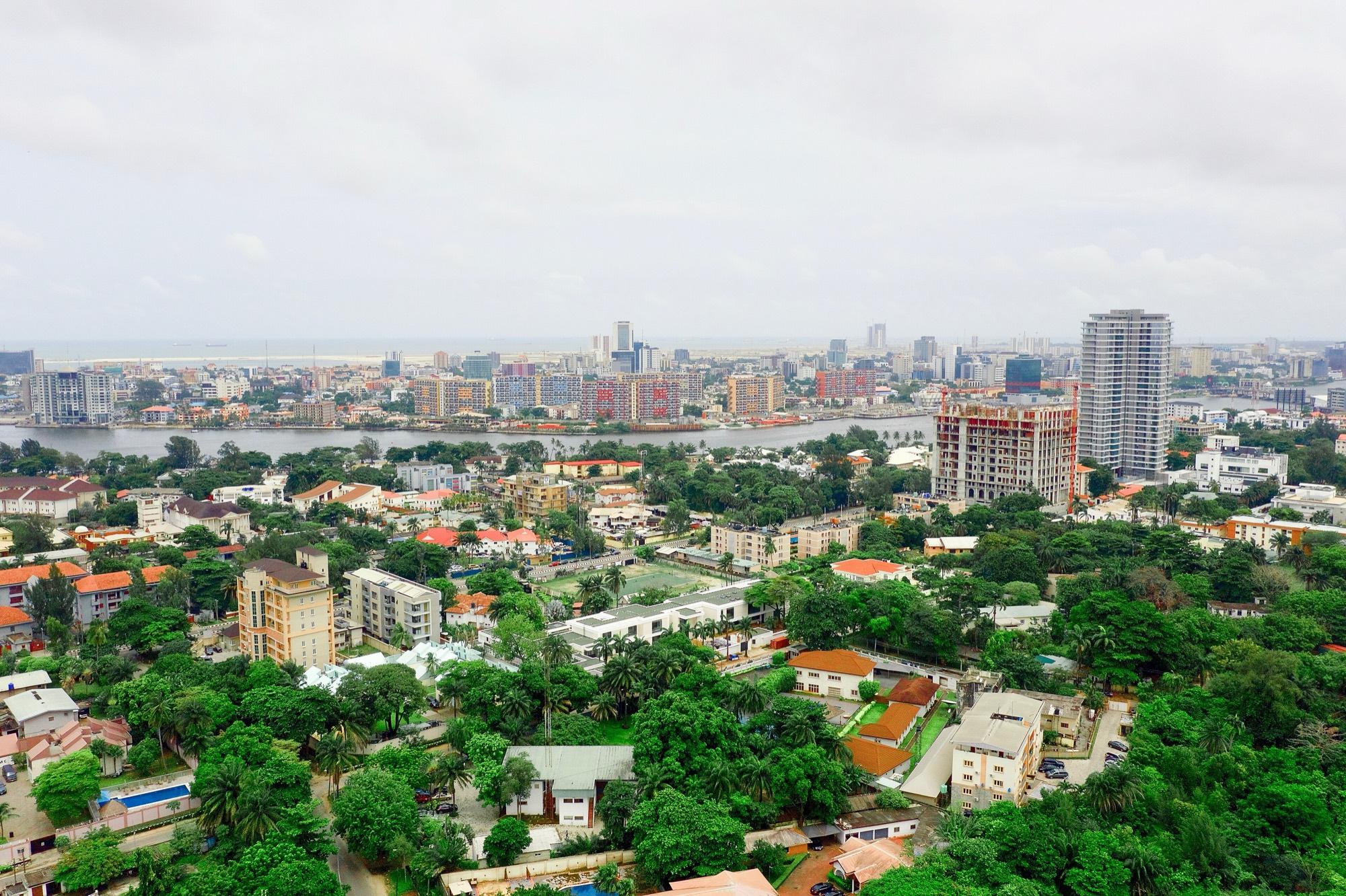
Global Cities Standard Benchmark: a conditional assessment of Lagos infrastructure
Ten infrastructure systems, six reference cities and one question: is Lagos building for performance or for visibility? Our flagship study, with a scorecard, a sector by sector review and a proposed performance index.
 Perspective
Waterfront economies14 min read
The economics of inclusive, vibrant and resilient waterfronts
The best waterfront is not the one that maximises shoreline property values. It is the one that maximises participation, environmental performance and public value across the whole waterfront economy.
 Benchmark study
Waterfront economies12 min read
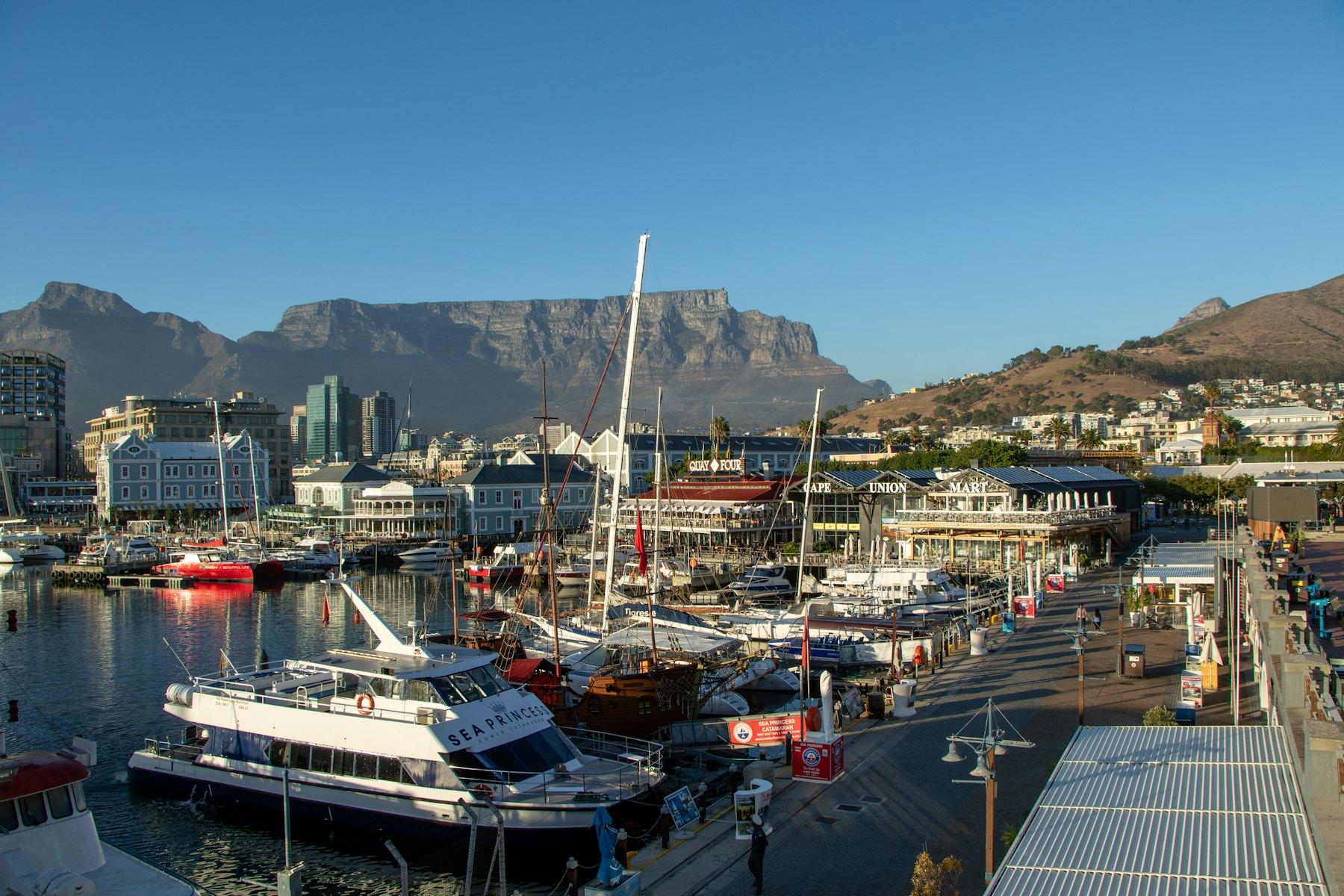
Ten waterfront precedents for an African waterfront economy
What Singapore, Hamburg, Cape Town and seven other cities teach about building a waterfront that works as an economy, not only as real estate.