Benchmark studyWaterfront economies
Ten waterfront precedents for an African waterfront economy
What Singapore, Hamburg, Cape Town and seven other cities teach about building a waterfront that works as an economy, not only as real estate.
RICITIES research · 12 min read
A waterfront can be many things: a port, a promenade, a business district, a place to live. The strongest international examples are all of these at once. They bring commerce and industry, hospitality, maritime and urban transport, tourism, recreation, environmental protection and climate resilience into a single plan.
We studied ten of them as benchmarks for a world class waterfront economic district in Africa, with Lagos and other coastal cities in mind. They are ordered by how useful they are as integrated development models, not by size or investment value.
Geographic distribution · 10 precedents, 1 city to learn for
01The ten precedents
For each one, what it combines and the single lesson we would carry to an African waterfront.
 01
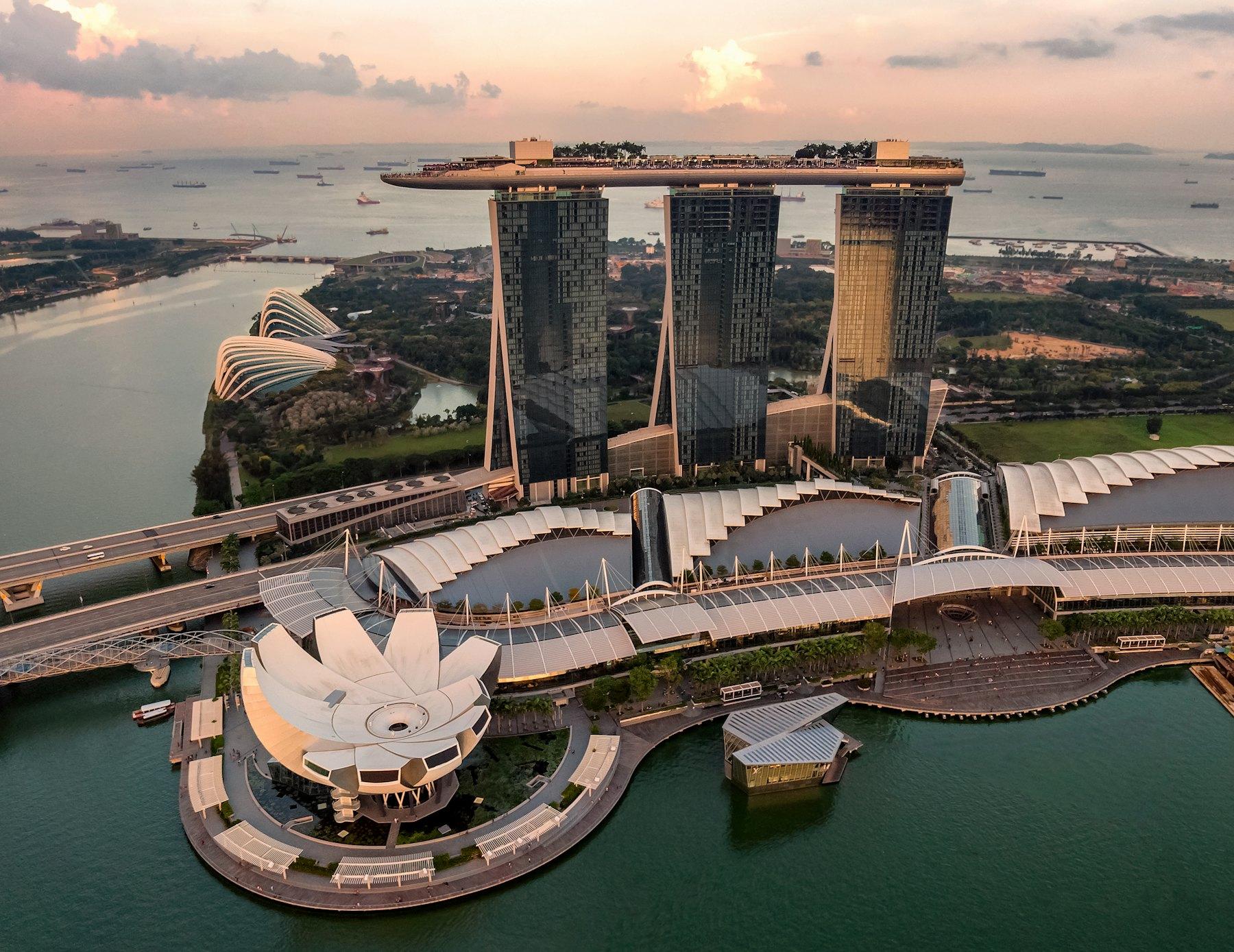
Singapore1.28° N, 103.86° E
Marina Bay
Best forIntegrated urban infrastructure
- Global finance, business and commercial district
- Hotels, convention facilities, retail and entertainment
- Waterfront promenades, water transport and public transit
- Marina Barrage combines flood control, water supply and recreation
Lesson. Integrate economic development with water security, flood management and public recreation.
Source: Urban Redevelopment Authority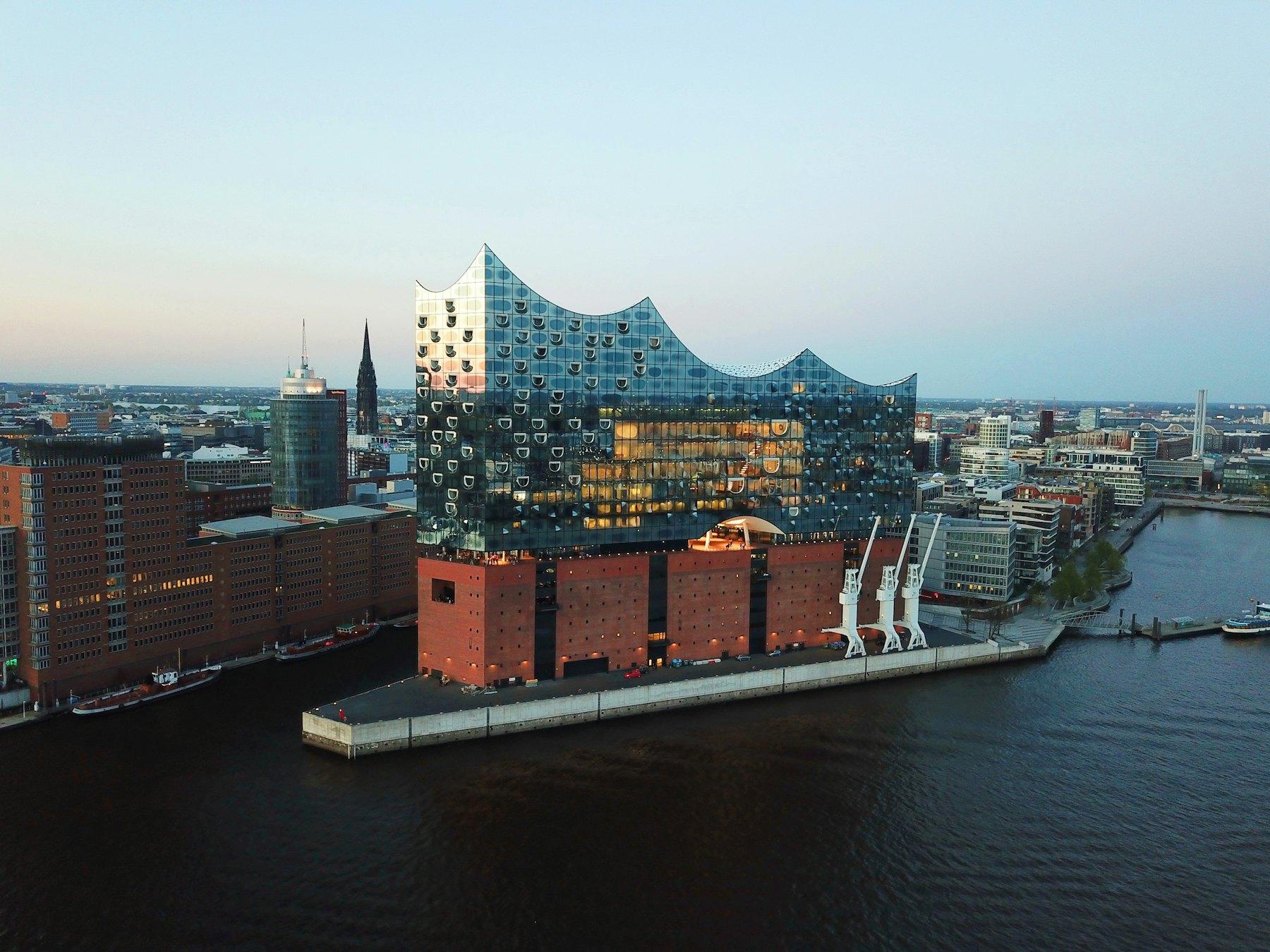 02
Hamburg, Germany53.54° N, 9.99° E
HafenCity
Best forClimate resilient mixed use district
- Offices, housing and business services
- Hotels, tourism, retail and cultural institutions
- Metro, road, walking and cycling networks built in
- Buildings raised on flood proof plinths, with public spaces designed to flood
Lesson. Design a waterfront as a complete urban ecosystem, not a collection of waterfront buildings.
Source: HafenCity Hamburg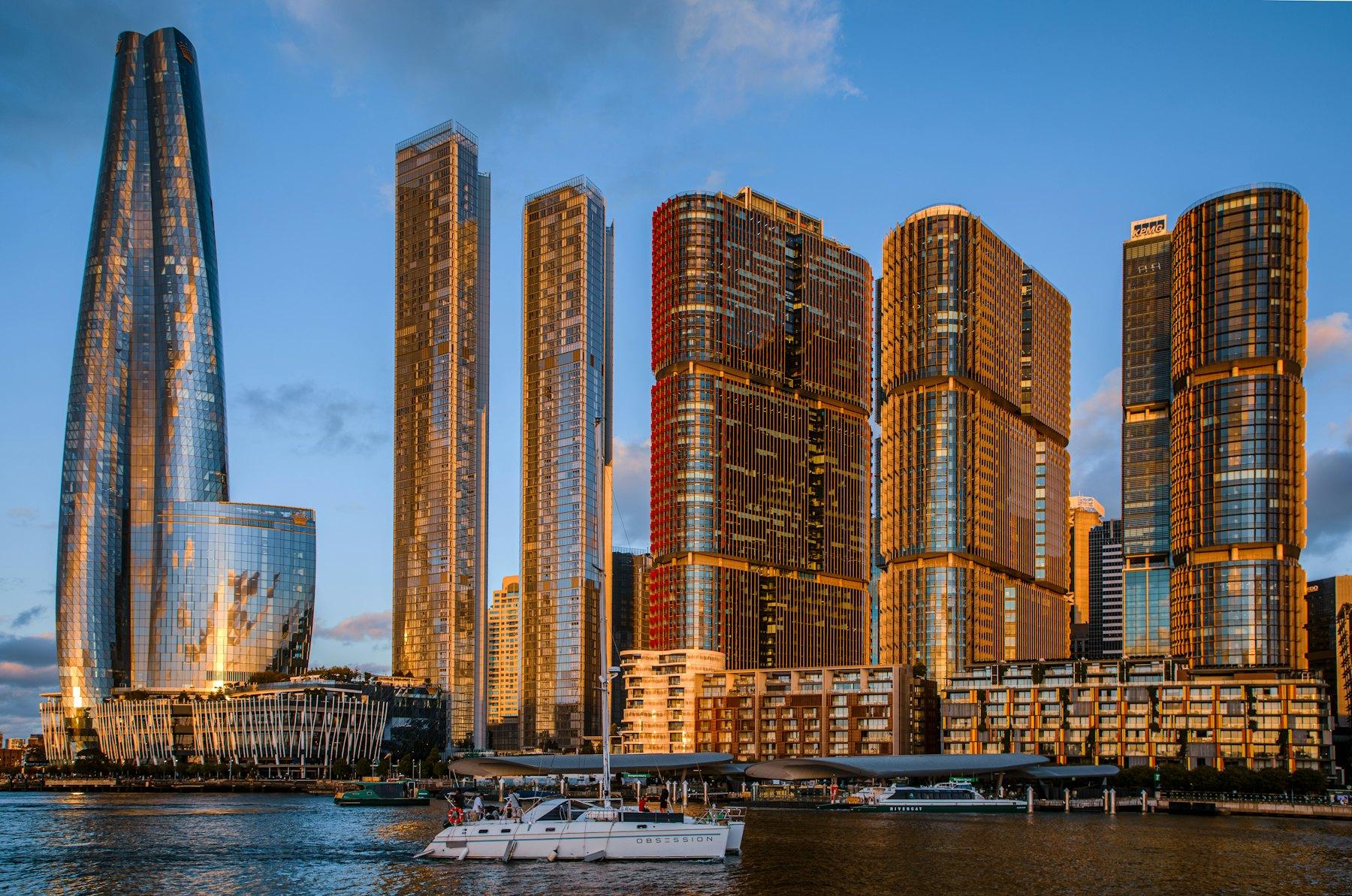 03
Sydney, Australia33.86° S, 151.20° E
Barangaroo
- Premium commercial and financial offices
- Hotels, restaurants and retail
- Public harbour promenades, parks and recreation
- Regeneration of a former container wharf
Lesson. Combine high value commercial property and hospitality with genuine public access to the water.
Source: Barangaroo- 04
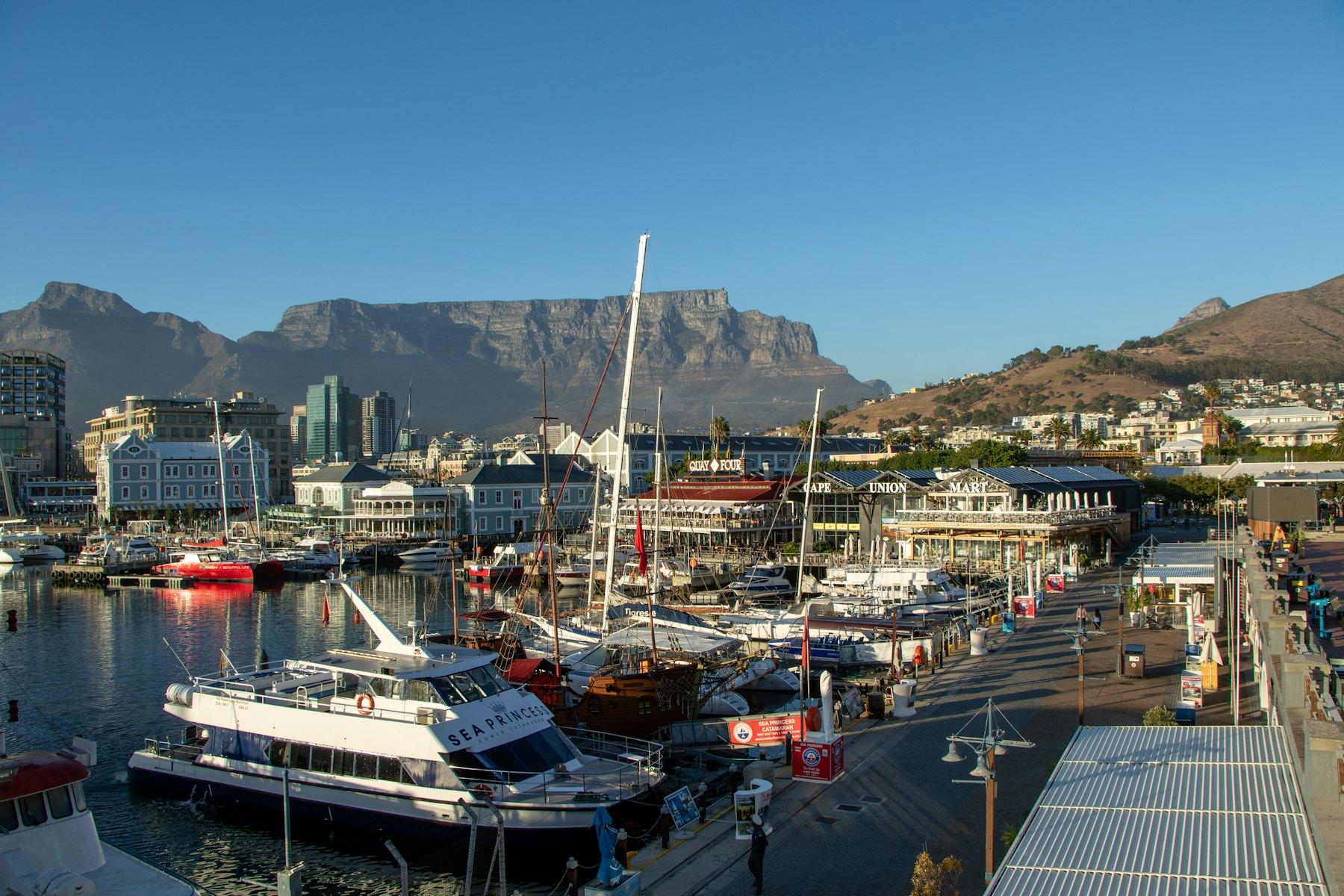
Cape Town, South Africa33.90° S, 18.42° E
V&A Waterfront
Best forAfrican waterfront benchmark
- A working harbour with marine industries
- Hotels, cruise terminal, restaurants and retail
- Maritime tourism, museums and cultural attractions
- Offices, homes and a marina
Lesson. Build an African waterfront economy around maritime commerce, tourism, local enterprise and cultural identity.
Source: V&A Waterfront 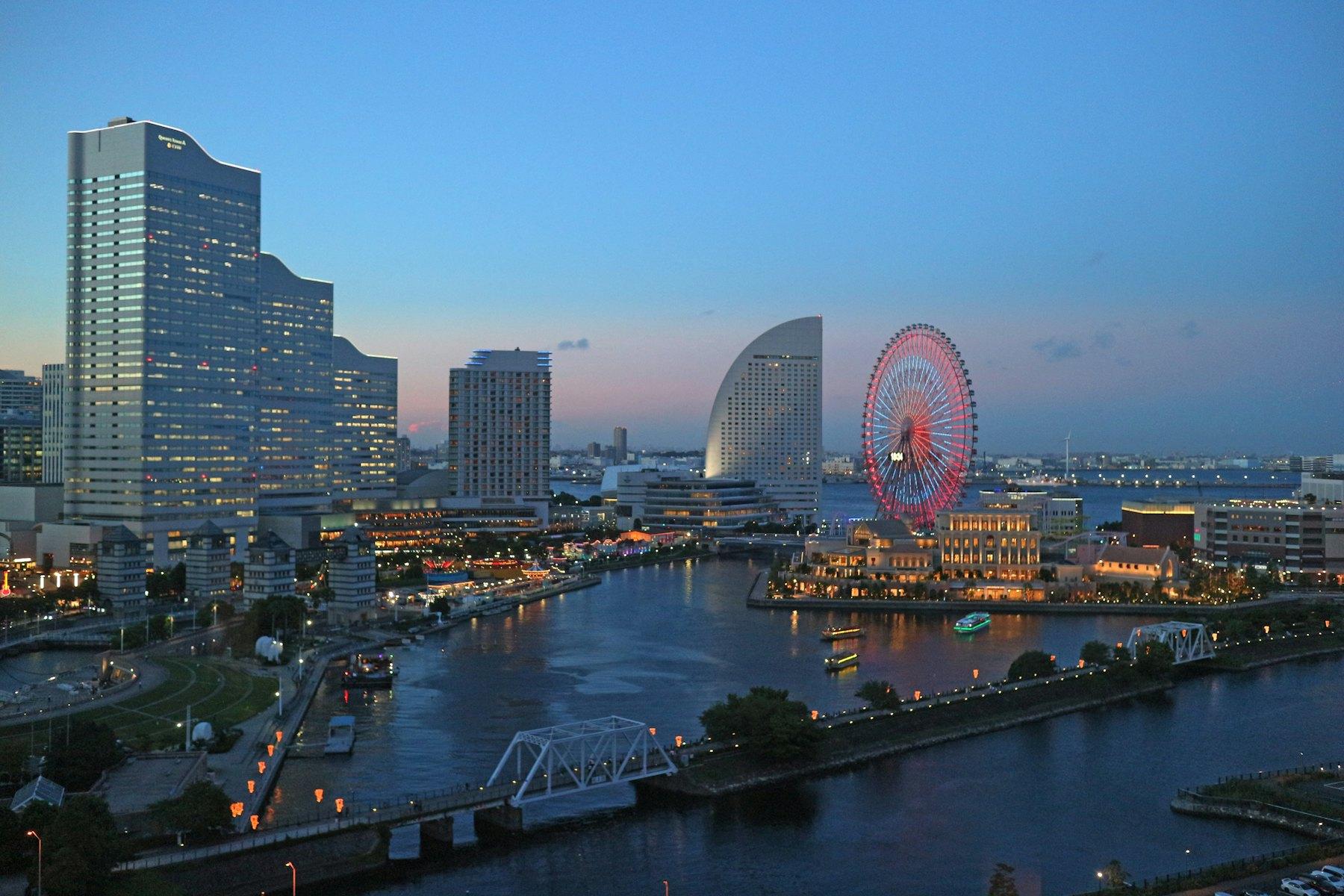 05
Yokohama, Japan35.46° N, 139.63° E
Minato Mirai 21
Best forEconomic and innovation waterfront
- International business and corporate headquarters
- Convention, exhibition and hotel infrastructure
- Water transport, shopping and entertainment
- Waterfront parks and public spaces
Lesson. Use the waterfront to attract investment, technology, knowledge industries and international business.
Source: Minato Mirai 21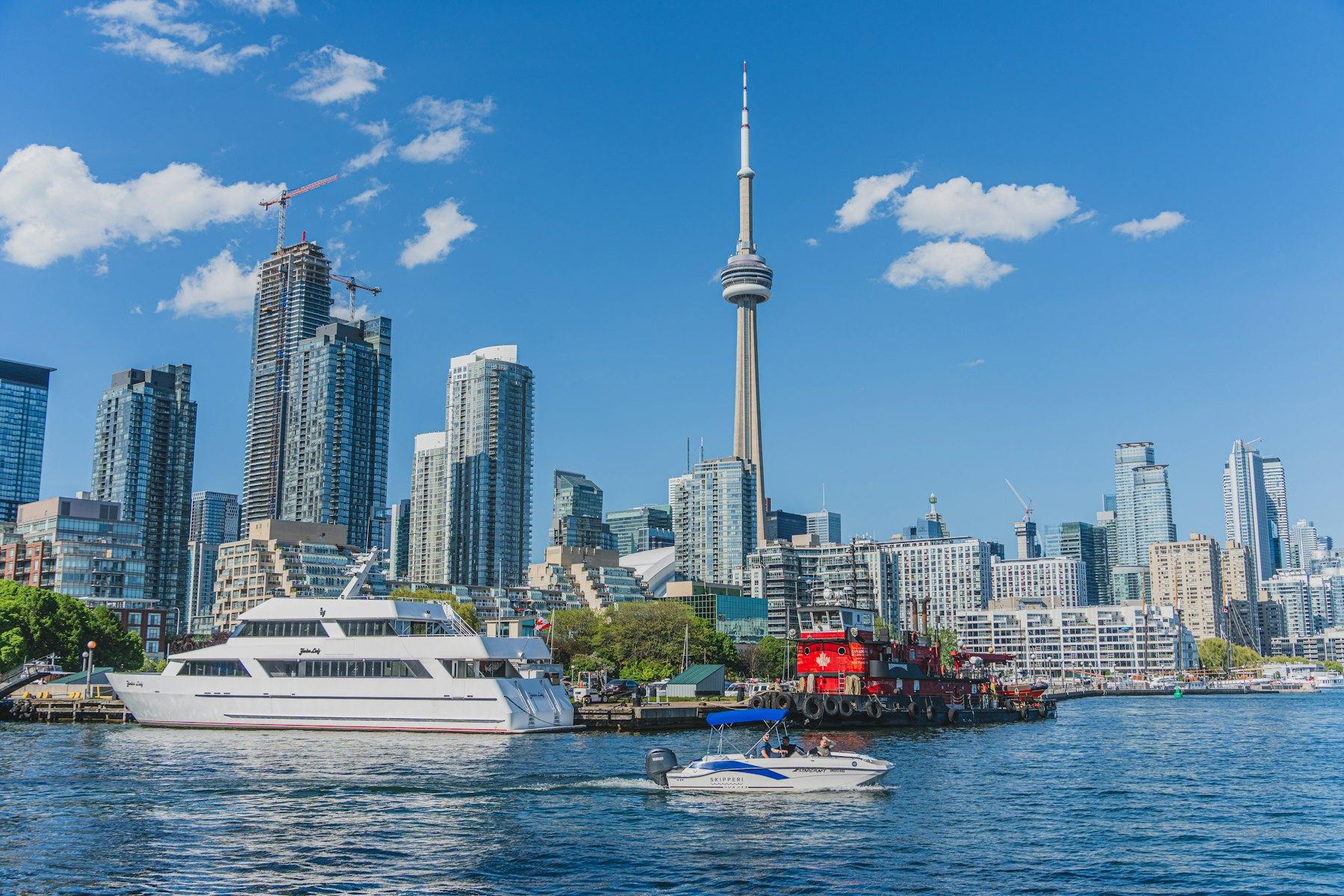 06
Toronto, Canada43.64° N, 79.38° W
Toronto Waterfront
- Commercial, residential and tourism development
- Light rail, ferry, cycling and walking networks
- Waterfront parks, recreation and public spaces
- Flood protection landforms and a restored river mouth in the Port Lands
Lesson. Treat climate adaptation, public transport and accessible waterfront space as core economic infrastructure.
Source: Waterfront Toronto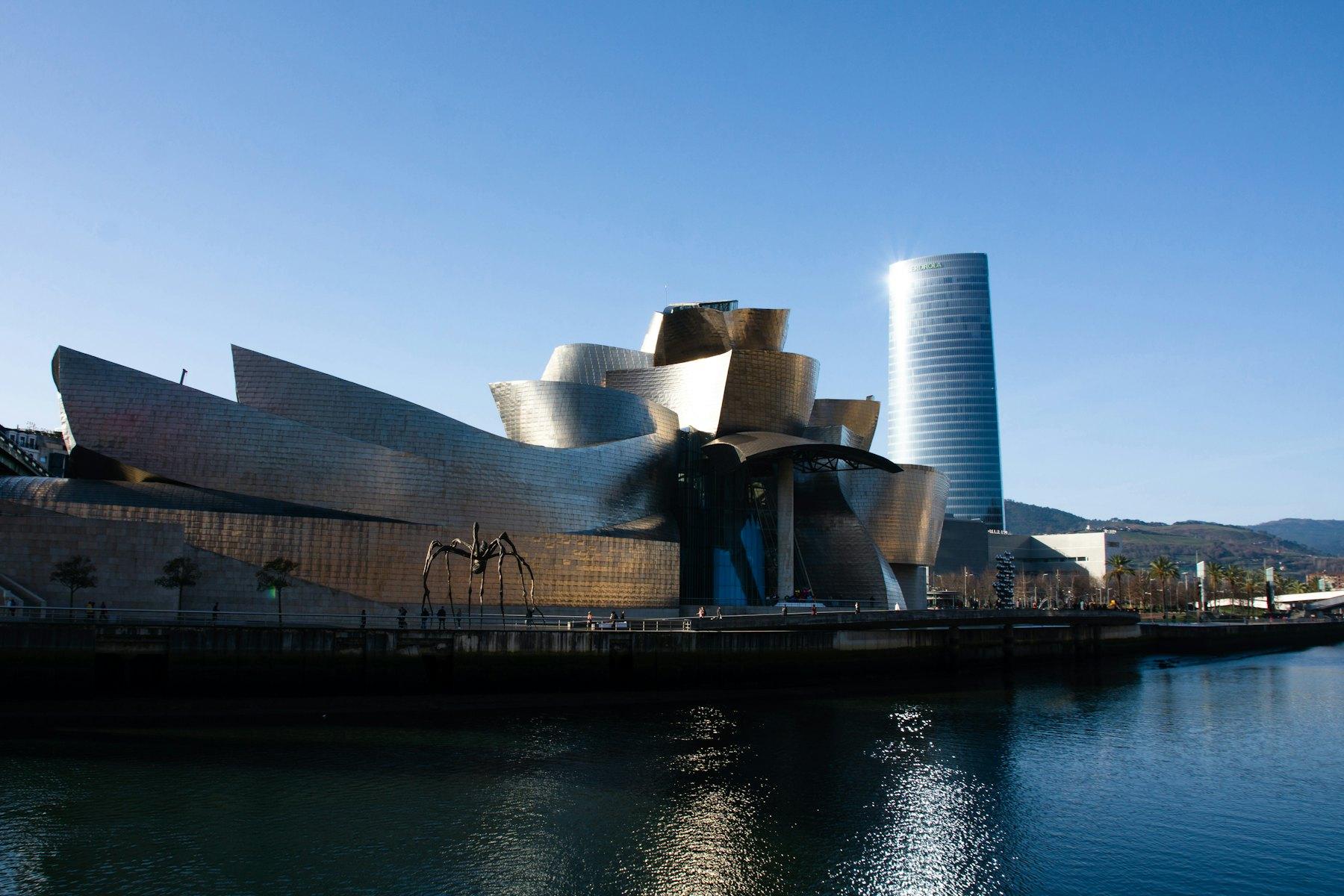 07
Bilbao, Spain43.27° N, 2.94° W
Abandoibarra
- Former shipyards and port land redeveloped
- Hotels, offices, retail and homes
- Maritime museum, conference centre and the Guggenheim
- Riverfront promenade, parks and visitor facilities
Lesson. Reposition a declining industrial waterfront as a modern cultural, commercial and tourism economy.
Source: Lee Kuan Yew World City Prize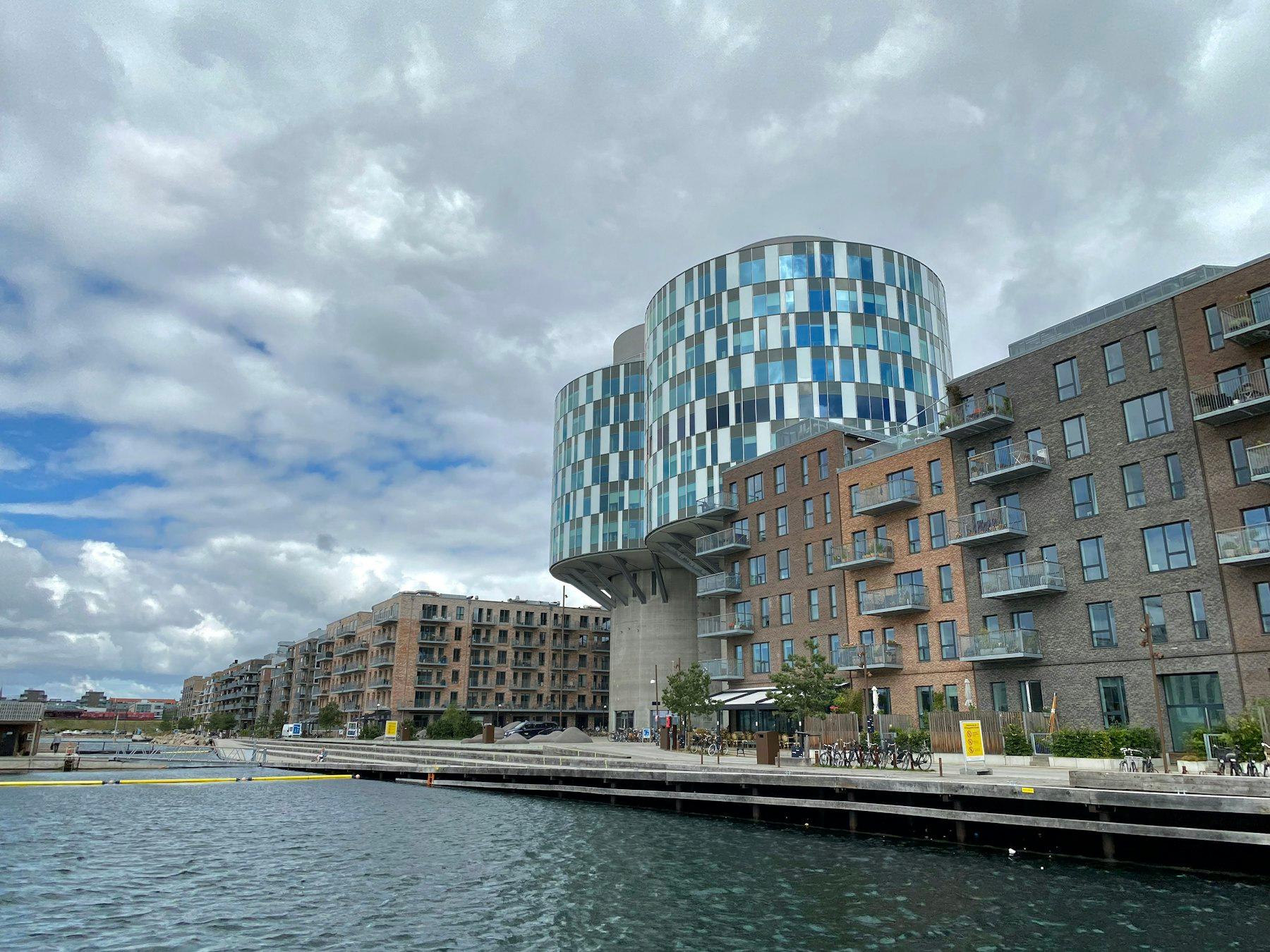 08
Copenhagen, Denmark55.71° N, 12.60° E
Nordhavn
- Former industrial port land transformed
- Homes, businesses and creative industries
- Metro, cycling and walking infrastructure
- Waterfront recreation and sustainable district planning
Lesson. Build a compact, connected waterfront with clean mobility and resource efficient infrastructure.
Source: By & Havn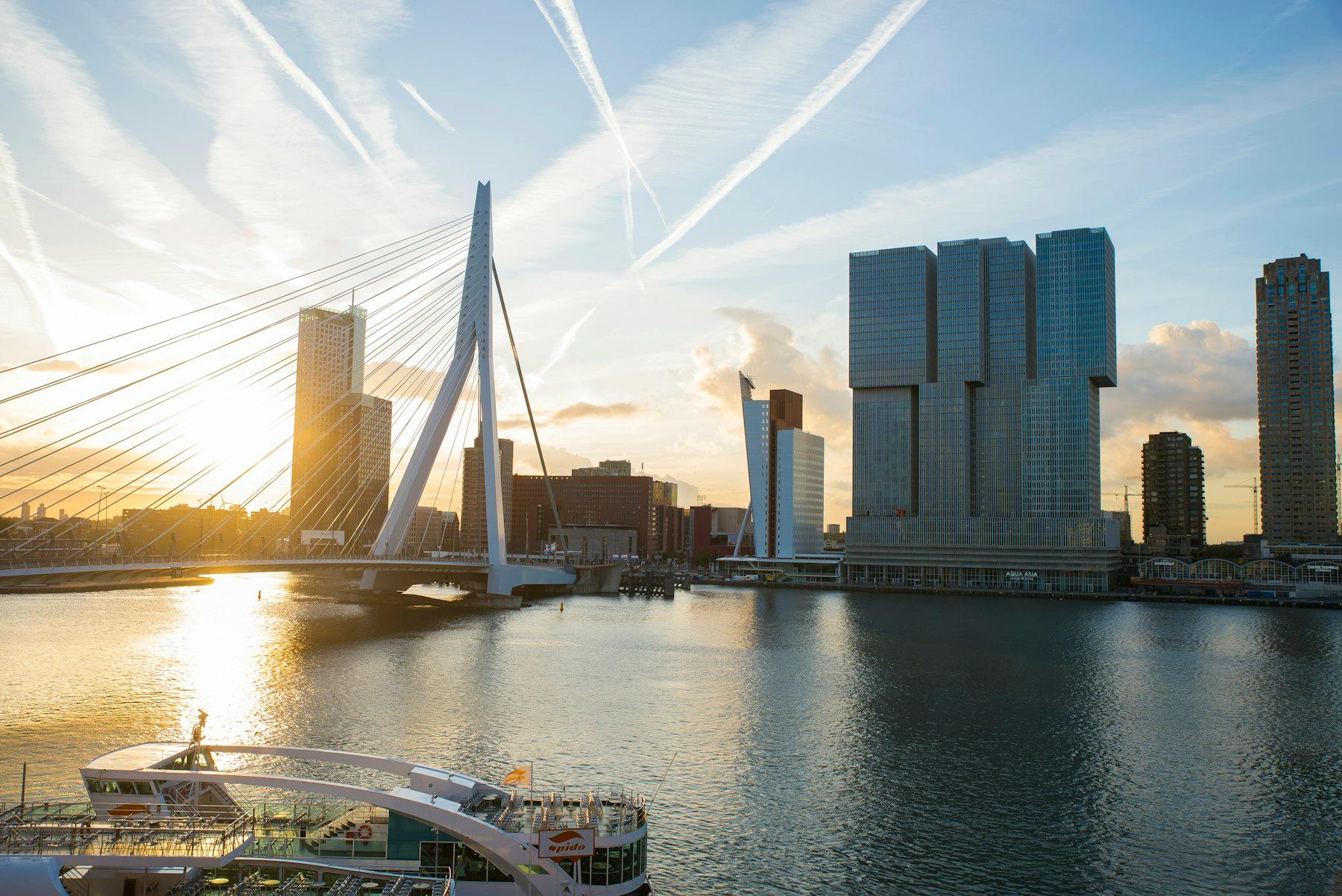 09
Rotterdam, Netherlands51.90° N, 4.49° E
Kop van Zuid and Rijnhaven
- Maritime, logistics, commercial and professional services
- Hotels, homes and retail
- Water taxis, bridges and public transport connections
- New waterfront parks and mixed use redevelopment
Lesson. Connect maritime trade and logistics with urban commerce and hospitality.
Source: De Rotterdam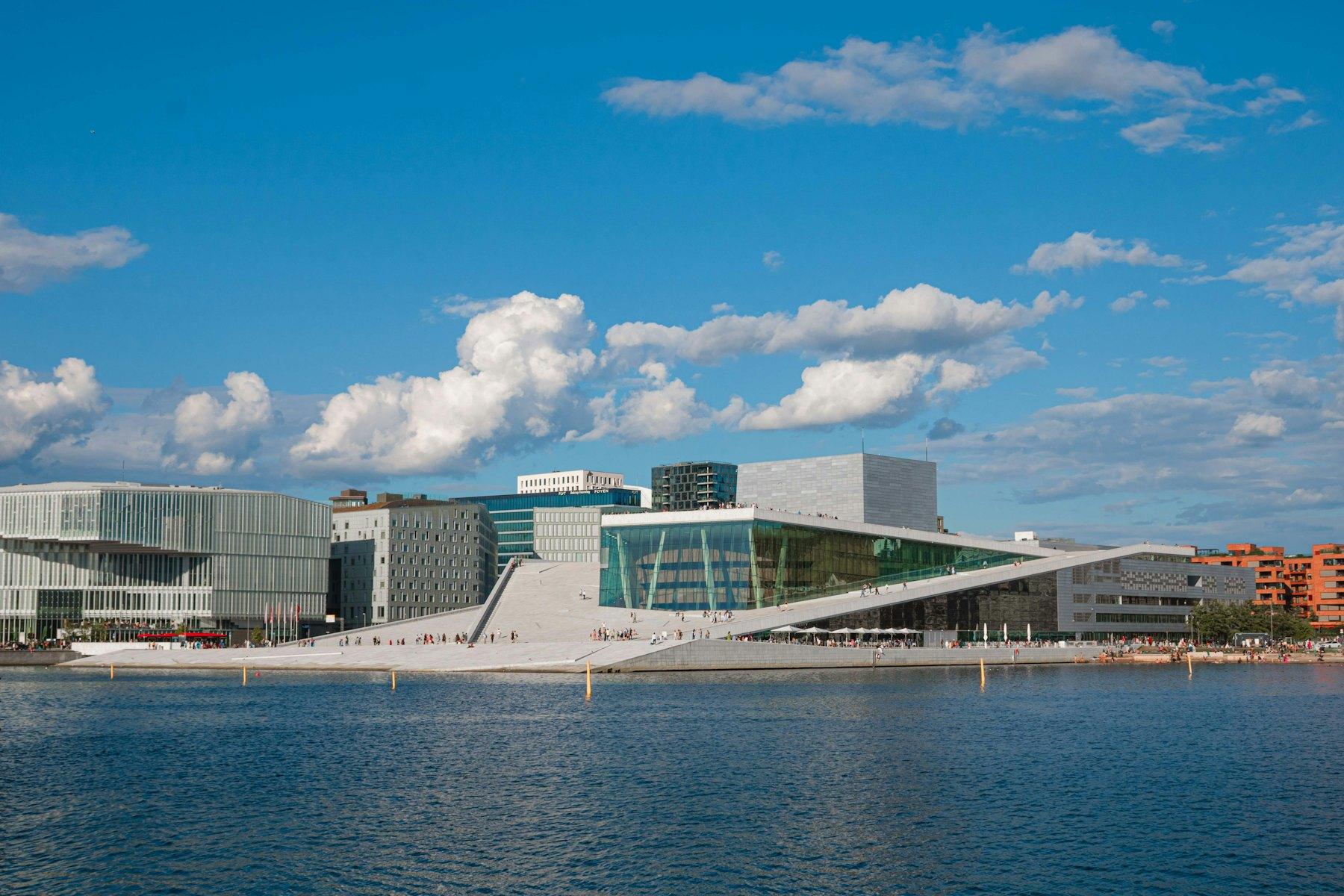 10
Oslo, Norway59.91° N, 10.75° E
Bjørvika, Fjord City
- Commercial and residential waterfront districts
- Hotels, cultural landmarks and hospitality
- Harbour promenades, public spaces and walking routes
- Waterfront regeneration with environmental improvements
Lesson. Make cultural identity, access to the water and high quality public space part of commercial development.
Source: City of Oslo
02Combine, do not copy
No single precedent fits an African coastal city on its own. A stronger model takes the best of several, pairing precedents by the role each part of the waterfront has to play.
Finance, investment and innovation
Marina BayandMinato Mirai 21
International finance, investment, innovation and corporate headquarters.
Maritime commerce and logistics
RotterdamandV&A Waterfront
Maritime trade, logistics, marine services and industrial activity.
Hospitality, culture and recreation
BarangarooandBilbao
Hospitality, tourism, cultural industries, entertainment and recreation.
Resilience and mobility
HafenCityandToronto
Climate resilience, flood protection, sustainable mobility and inclusive public space.
03Nine pillars of a waterfront economy
The infrastructure a serious waterfront masterplan should provide for, pillar by pillar.
| Pillar | Key infrastructure |
|---|---|
| 01Economic zone | Special economic zone, business district, finance, trade and innovation hubs |
| 02Maritime economy | Deep water port interfaces, marina, cruise terminal, ship services |
| 03Logistics | Inland logistics, warehousing, freight corridors and distribution |
| 04Hospitality | Hotels, resorts, conference centres and waterfront dining |
| 05Transport | Water taxis, ferry terminals, rail, roads and integrated transit |
| 06Recreation | Beaches, promenades, parks, sports, marinas and cultural centres |
| 07Industry | Marine engineering, food processing, light manufacturing and creative industries |
| 08Resilience | Flood barriers, drainage, mangroves, coastal protection and renewable energy |
| 09Social infrastructure | Housing, healthcare, education, markets and community facilities |
04What this means for Africa
Sources
- 01Urban Redevelopment Authority. Marina Bay, Singapore
- 02HafenCity Hamburg. HafenCity, Hamburg
- 03Barangaroo. Barangaroo, Sydney
- 04V&A Waterfront. V&A Waterfront, Cape Town
- 05Minato Mirai 21. Minato Mirai 21, Yokohama
- 06Waterfront Toronto. Toronto Waterfront, Toronto
- 07Lee Kuan Yew World City Prize. Abandoibarra, Bilbao
- 08By & Havn. Nordhavn, Copenhagen
- 09De Rotterdam. Kop van Zuid and Rijnhaven, Rotterdam
- 10City of Oslo. Bjørvika, Fjord City, Oslo
Institutional engagement
Planning a waterfront district?
We help agencies and investors shape waterfront and maritime projects that work as economies. Tell us about the site.
Keep reading
More from the knowledge centre
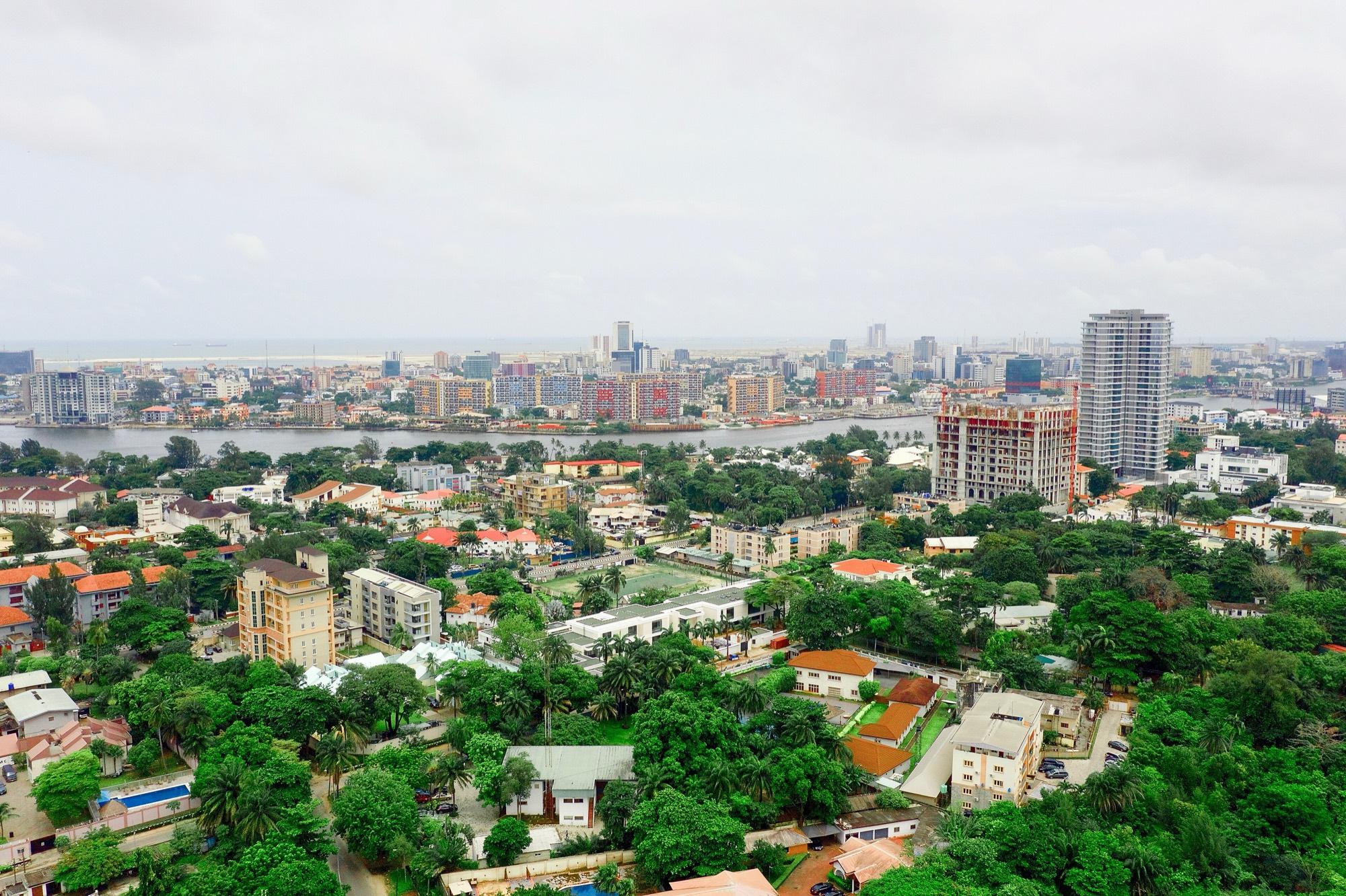 Benchmark study
Infrastructure competitiveness18 min read
Global Cities Standard Benchmark: a conditional assessment of Lagos infrastructure
Ten infrastructure systems, six reference cities and one question: is Lagos building for performance or for visibility? Our flagship study, with a scorecard, a sector by sector review and a proposed performance index.
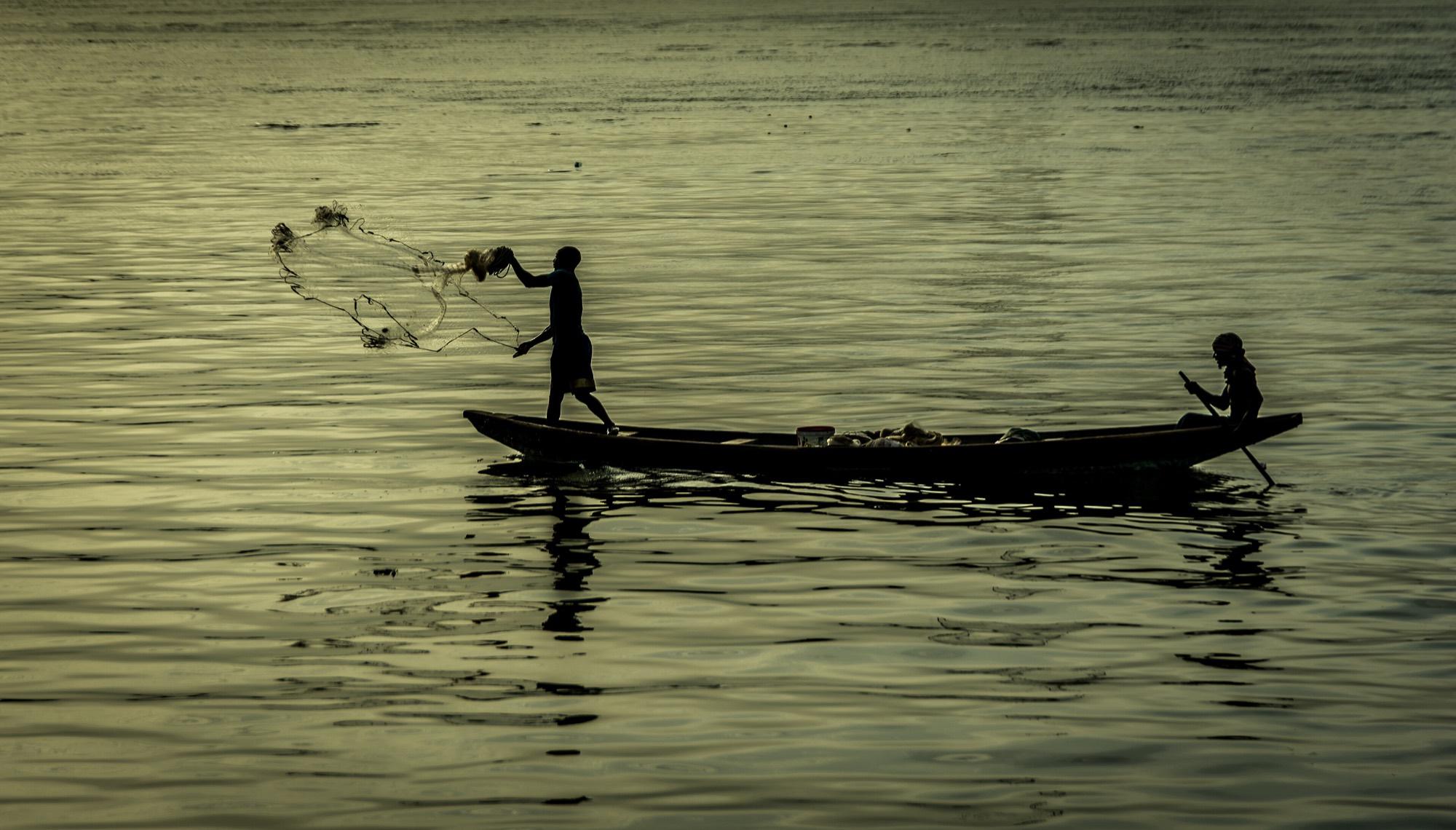 Perspective
Waterfront economies14 min read
The economics of inclusive, vibrant and resilient waterfronts
The best waterfront is not the one that maximises shoreline property values. It is the one that maximises participation, environmental performance and public value across the whole waterfront economy.
 Perspective
Urban philosophy9 min read
Urbansophy: the six places of a healthy city
Why do we still build cities that fail the people in them? Our philosophy of the city, from its five components to the six places every settlement needs.