PerspectiveInclusive cities
Inclusive cities: the city as a platform
A city works like an operating system. Producers, consumers and dependents all run on it, and each one makes the whole more vibrant.
RICITIES research · 6 min read
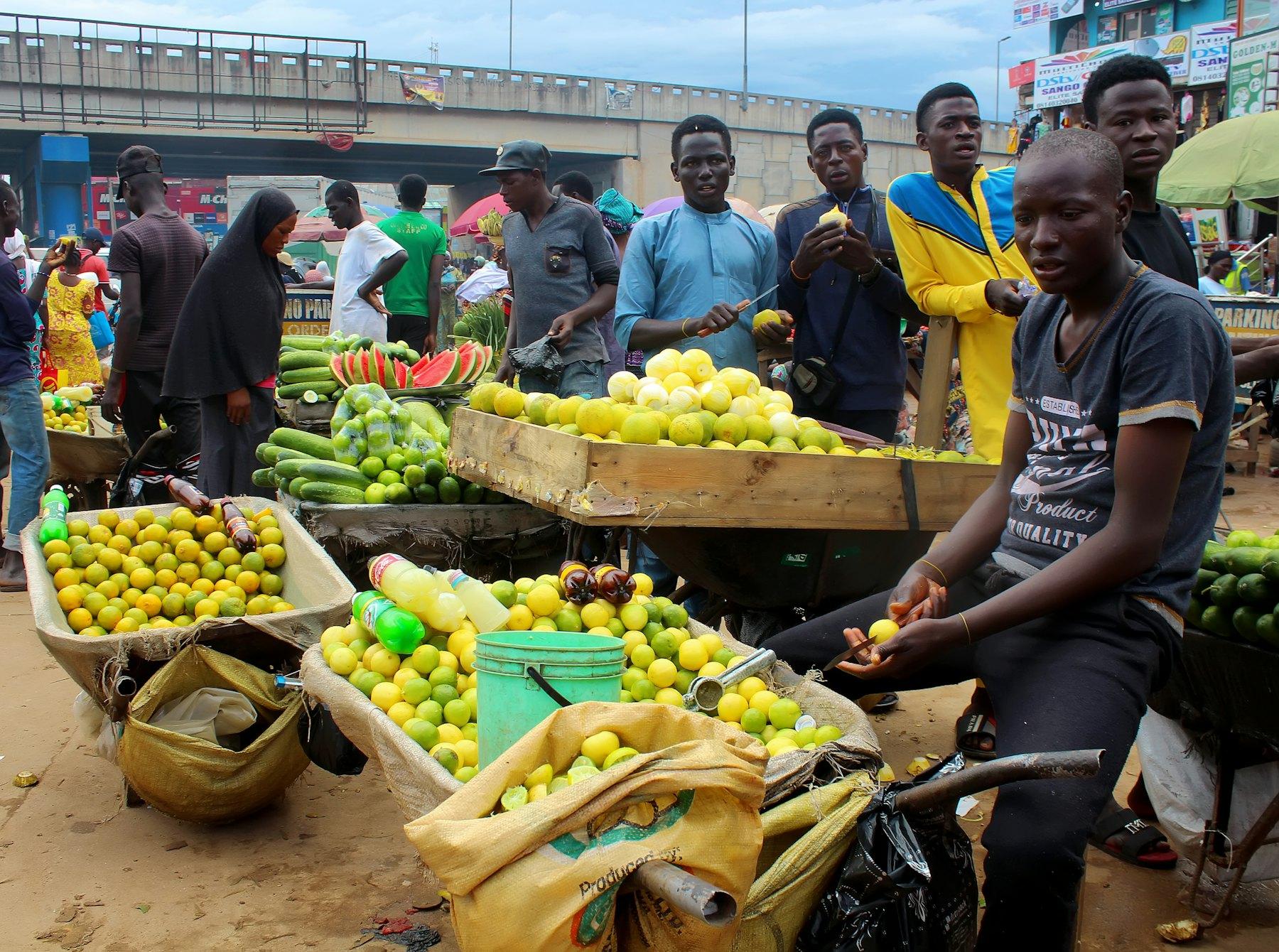
An inclusive city is a measure of how deeply sustainability runs in its ideas, and of how far its management puts the public at the centre. We find it useful to think of the city as an economic platform for every part of society, much like the operating system of a computer.
Many different applications run on an operating system, and each one adds to the efficiency of the whole. A city works the same way. Its applications are the people who live in it, and they fall broadly into three groups: producers, consumers and dependents. Each contributes to the vibrancy of the city and to the lives made in it.
The city as a platform
Applications · who the city runs for
Producers
People and firms who make, grow, build, trade and serve. They need land, power, logistics and a route to market.
Consumers
Everyone who buys, uses, travels and enjoys. They need access, choice, safety and time back in their day.
Dependents
Children, older people and anyone who relies on others or on care. They need a city that is accessible and safe by design.
Services · what they share
Transport, markets, health, education, housing, energy and water
Platform · what the city provides
Streets, waterways, utilities, public space and data
Infrastructure open to everyone, maintained to a standard everyone can rely on.
01Why the platform view matters
A platform succeeds when everything can run on it. A city that only works for producers becomes a place to make money and leave. One that only works for consumers grows expensive and exclusive. And a city that forgets its dependents, its children, older people and those who need care, quietly fails the people with the least choice about where they live.
The point is not to rank these groups, but to design shared infrastructure that all three can rely on. Streets, waterways, markets and transport are the common layer. When that layer is accessible, safe and well maintained, everything built on top of it works better.
02Accessibility is the test
A 2024 analysis for the World Economic Forum makes the case in numbers. Its authors argue that infrastructure decisions made now will set a city’s path for decades, and that planning for accessibility from the outset costs far less than retrofitting later.
1.3 billion
people live with a disability, 16% of the world’s population.
1.6 billion
older people projected by 2050, up from 1 billion projected for 2030.
$130 trillion
of urban infrastructure investment planned by 2027, mostly focused on decarbonisation.
Figures as reported by the World Economic Forum (2024).
The same analysis sets out what building for everyone requires:
- 01Invest in integrated transport that works for the full range of people who use it.
- 02Build inclusive design into development plans from the very start, not at the end.
- 03Bring people with disabilities and older residents into the planning team.
- 04Write accessibility into smart city guidelines, procurement standards and upgrades.
- 05Maintain what is built. Accessible infrastructure that is not kept up quickly becomes inaccessible.
03In our work
Sources
Institutional engagement
Building a city that works for everyone?
Talk to us about inclusive, accessible infrastructure for the communities you serve.
Keep reading
More from the knowledge centre
 Benchmark study
Infrastructure competitiveness18 min read
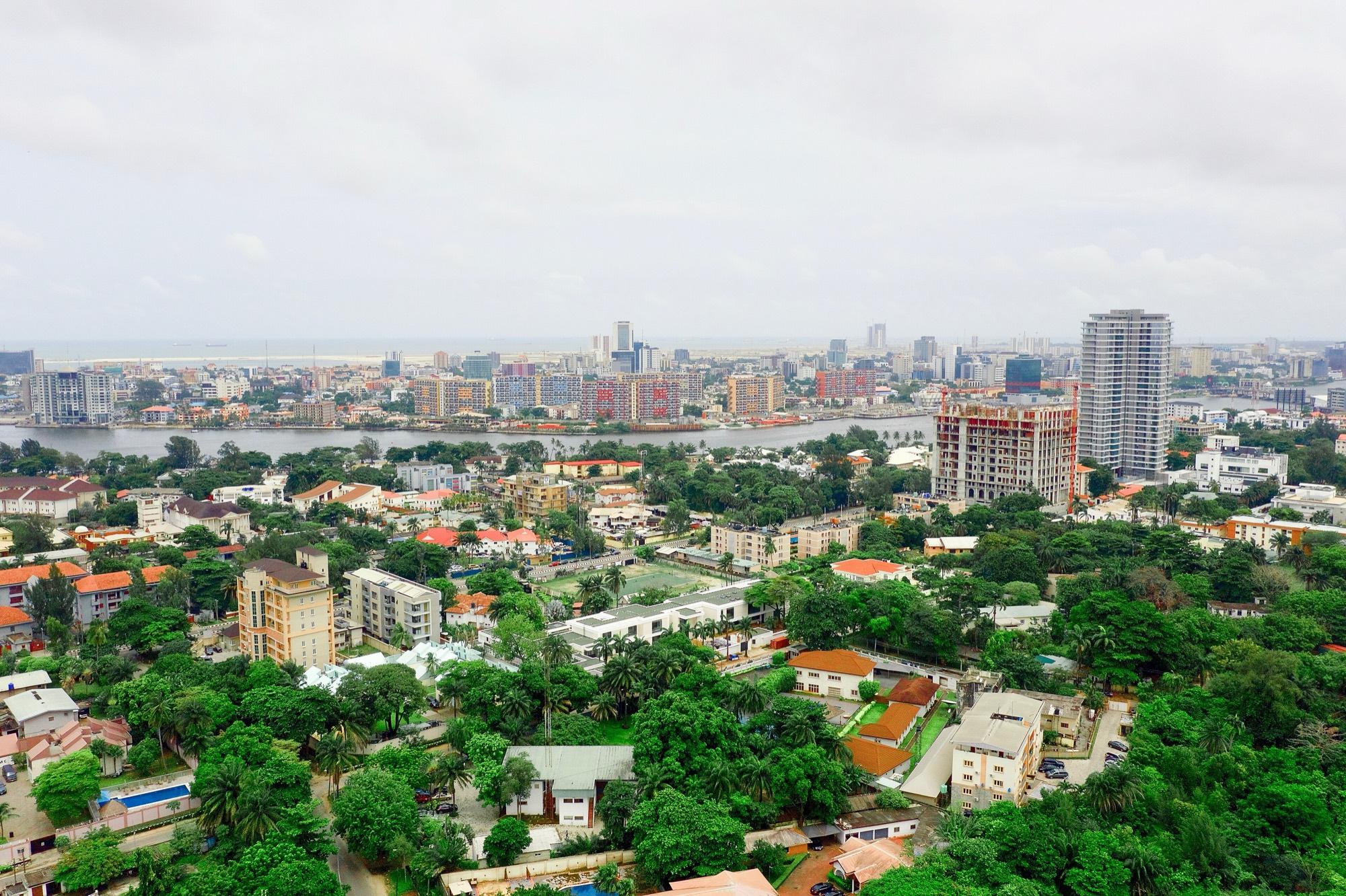
Global Cities Standard Benchmark: a conditional assessment of Lagos infrastructure
Ten infrastructure systems, six reference cities and one question: is Lagos building for performance or for visibility? Our flagship study, with a scorecard, a sector by sector review and a proposed performance index.
 Perspective
Waterfront economies14 min read
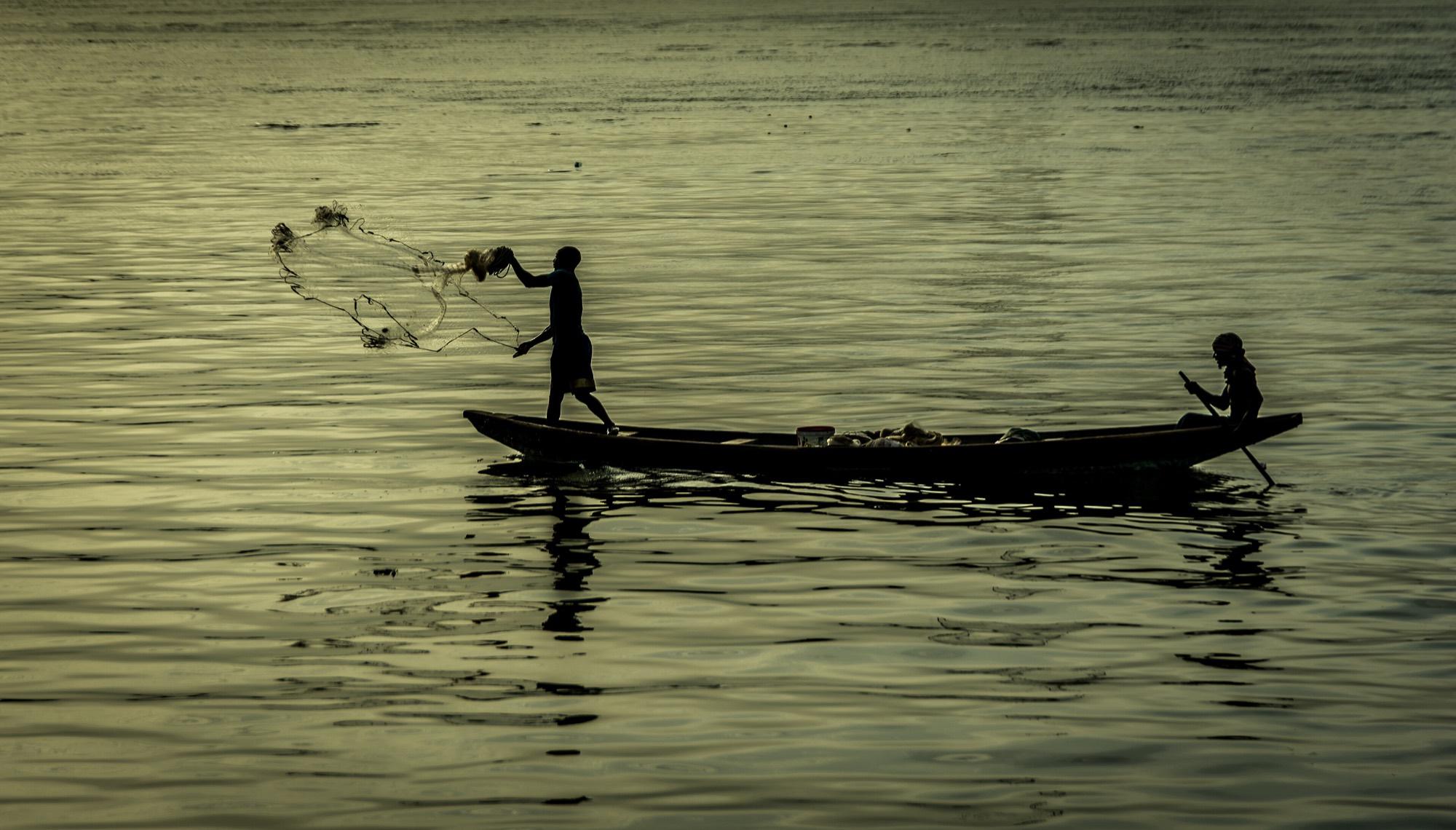
The economics of inclusive, vibrant and resilient waterfronts
The best waterfront is not the one that maximises shoreline property values. It is the one that maximises participation, environmental performance and public value across the whole waterfront economy.
 Perspective
Urban philosophy9 min read
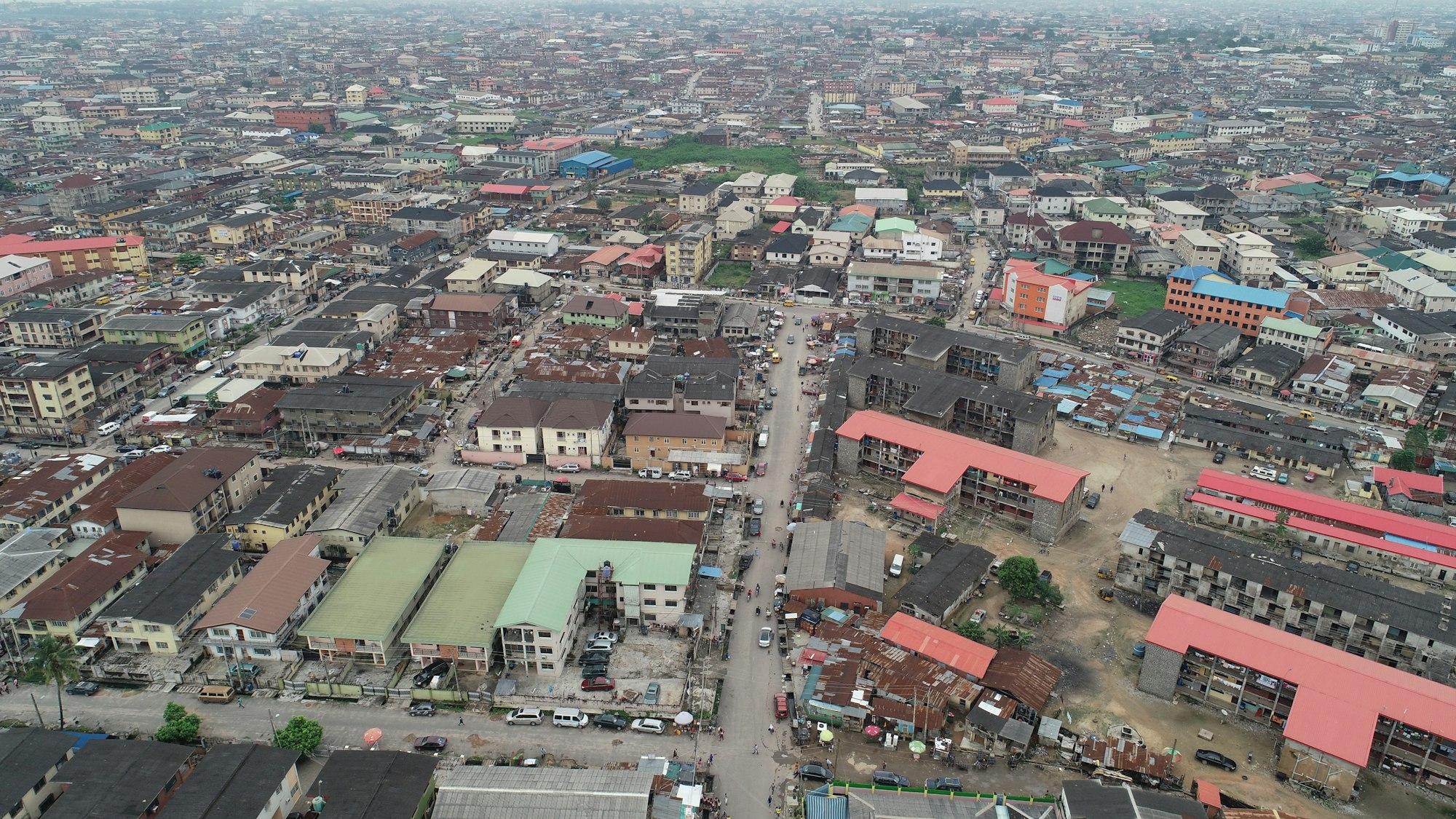
Urbansophy: the six places of a healthy city
Why do we still build cities that fail the people in them? Our philosophy of the city, from its five components to the six places every settlement needs.